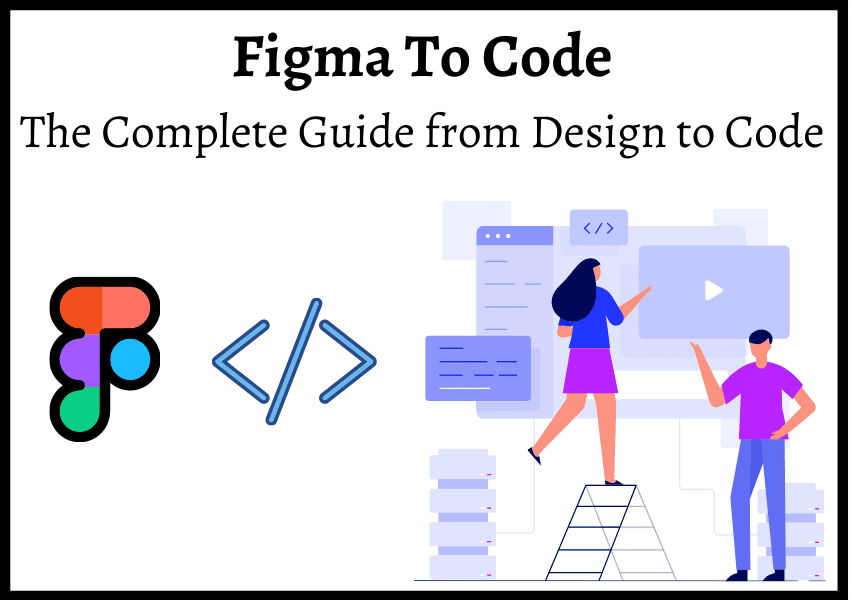
Figma to Code is revolutionizing the way designers and developers collaborate by streamlining the design handoff process. In a world where miscommunication often leads to endless revisions and frustrations, Figma has emerged as a powerhouse for UI design, facilitating smoother transitions from concept to execution. With features like Figma Dev Mode and an array of Figma plugins, teams can work in harmony, ensuring that the final product remains true to the original vision. This guide will explore the essentials of a successful Figma-to-code handoff, highlighting best practices, tools, and techniques crucial for effective team collaboration. By understanding how to optimize Figma files, designers can significantly improve the overall quality of their projects and minimize common coding mistakes.
The transition from design to development is often fraught with challenges, underscoring the critical nature of effective design handoff methodologies. Terms like ‘design transfer’ and ‘UI implementation’ aptly capture the essence of moving from aesthetics to functionality, emphasizing the necessity for a refined workflow. In today’s digital workspace, tools such as Figma are pivotal in providing developers with the insights they need, notably through features like Dev Mode that showcase design specifications in actionable formats. Moreover, understanding the use of design plugins can further enhance the encoding process, allowing for better responsiveness and fidelity in the final web product. By embracing these approaches, teams can significantly enhance their efficacy in creating coherent digital experiences.

Setting Up Your Figma File for Clean Handoff
The way you prepare your Figma file significantly impacts the handoff process to developers. A clean and well-organized file sets a professional tone and ensures that the transition from design to code is as smooth as possible. Design files that only cater to a designer’s personal preferences often result in misunderstandings and misinterpretations. If you prioritize the developer’s needs while preparing the file, it becomes intuitive for them to navigate, and the probability of errors diminishes.
Establishing a structured workflow in your Figma file from the get-go is crucial. This includes adopting a hierarchy in your layers and maintaining a clear naming convention that communicates the purpose and context of each element. Think of this preparation phase as building a bridge between design creativity and technical implementation; each layer of the bridge must be sturdy enough to support the collaboration that follows.
Naming and Organization
Effective naming and organization are fundamental to a successful design handoff. Every layer, component, and frame must bear descriptive names that provide context and clarity. Instead of generic labels like “Rectangle 47”, names like “card/product/featured” offer a glimpse into the design’s structure and function. This practice not only helps developers understand the design but also fosters a collaborative environment where everyone speaks the same ‘language’.
Moreover, proper organization of pages, such as having dedicated sections for components and prototypes, becomes a roadmap for developers. When they can easily locate the design system, screens, and annotations, it empowers them to translate your vision into reality more effectively. This organizational clarity ultimately enhances the entire workflow, reducing the chances of errors that come from misunderstanding.
Components and Variants
Integrating components and their variants into your design strategy is vital for creating a sustainable design system. When repeating UI elements like buttons and inputs are treated as components, it encourages consistent application across the entire project. Establishing clearly defined variants—such as size, state, and type—allows developers to work more efficiently, as they can quickly identify and implement the correct design elements without confusion or guesswork.
Furthermore, aligning component naming with your development team’s terminology minimizes mismatch and the need for redundant communication. For instance, adopting terms like “primary” or “secondary” for buttons not only maps directly to code but also facilitates smoother collaboration between designers and developers. Ultimately, this practice advances not just the handoff but also the project’s overall design integrity.
Auto Layout
Implementing Auto Layout in Figma is a game-changer for handoff quality. This feature enables a direct correlation between design specifications in Figma and CSS properties, such as spacing, padding, and alignment—elements that typically lead to discrepancies if handled manually. By using Auto Layout consistently, designers can ensure that their intended design is reflected within the code without the common pitfalls that arise from traditional pixel measurement.
Furthermore, understanding the fill and fixed modes within Auto Layout allows for more purposeful design. Knowing when to apply flexible or fixed dimensions not only streamlines the development process but also equips developers with specific guidance to create responsive layouts. Thus, embracing Auto Layout should be seen as not just a feature in Figma but an essential principle for effective design-to-code handoff.
Variables and Design Tokens
The introduction of Figma Variables marks a transformative leap in managing design tokens seamlessly. By defining colors, typography, spacing, and more directly within Figma, designers mitigate the risk of miscommunication that often arises during the handoff process. Rather than relying on developers to decipher hex codes, they can directly reference variables like “color/primary/500”, fostering a shared vocabulary that aligns design and code with precision.
Moreover, structuring your variable collections to mirror the existing codebase not only enhances clarity but also ensures that changes in design tokens propagate through the system without error. This alignment transforms the handoff from a pixel-perfect exercise to a systematic approach anchored in design principles, allowing designers to focus on creativity while ensuring consistency throughout the development process.
Figma’s Built-in Dev Mode: What Designers Need to Know
Figma’s Dev Mode is a crucial feature that every designer should be acquainted with, especially in the context of effective handoff. By providing developers with the capability to inspect design details like spacing, colors, and typography, it streamlines the preparation needed for coding. However, designers need to be aware that the information in Dev Mode ultimately reflects the quality of the design file they’ve created. Hence, prioritizing organization and clarity in your Figma files is imperative.
Additionally, the ability to link Storybook components directly to Figma elements within Dev Mode is an underutilized feature that can enhance developer understanding. This connection reduces queries regarding interactivity and states by allowing developers to see the visual representation in real-time. Consequently, taking full advantage of Dev Mode can significantly reduce friction in your design workflow, leading to a smoother transition from conception to realization.
In conclusion, the process of transitioning from Figma designs to production-ready code has become significantly more streamlined in 2026, thanks to a combination of innovative features and best practices. Ensuring a clean handoff from design to development requires careful planning, organization, and communication between teams. The critical strategies to enhance the Figma-to-code workflow include:
- Proper Organization: Structuring Figma files with clear naming conventions and a logical page hierarchy ensures that developers can easily navigate the design assets.
- Leveraging Components: Utilizing components and variants correctly creates a maintainable design system that developers can deploy efficiently.
- Employing Auto Layout: This feature helps maintain structural integrity in designs, directly translating layout properties into CSS styles, thus reducing the likelihood of mismatches.
- Utilizing Design Tokens: Defining variables for colors, spacing, and typography provides a direct reference between design and development, fostering consistency across platforms.
- Maximizing Dev Mode: Understanding the capabilities of Figma’s Dev Mode enables designers to create more useful artifacts for developers, facilitating smoother handoff processes.
- Choosing the Right Tools: Evaluating and selecting the best design-to-development handoff tools can dramatically enhance collaboration and reduce friction in the workflow.
- Preventing Common Issues: Addressing frequent handoff problems, such as font mismatches and spacing inconsistencies, through documentation and thorough specifications can lead to a polished final product.
By embracing these strategies, design and development teams can bridge the gap that has historically existed in the handoff process, ultimately leading to products that reflect the original vision more accurately.