
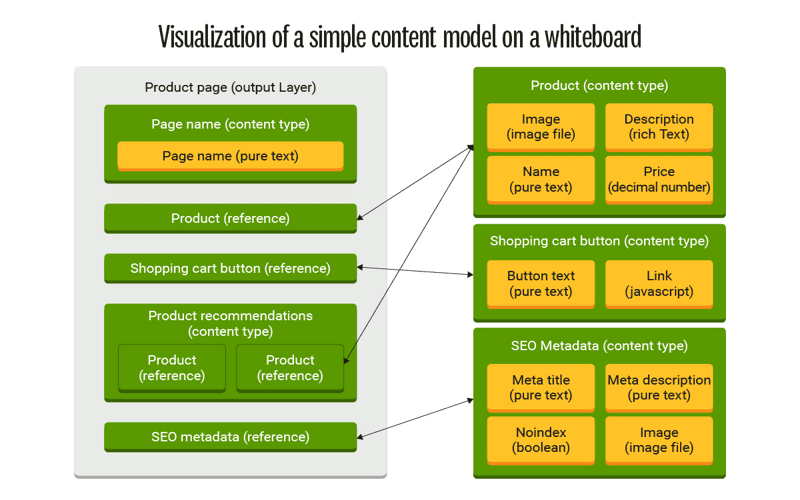
Imagine launching a new marketing campaign where your product details seamlessly populate across emails, social media, and even voice assistants. That’s the promise of an omnichannel content strategy—but achieving it hinges on building the right content model. Unlike a design system which focuses on aesthetics and layout, a content model prioritizes functionality, defining content types in a way that makes it understandable across platforms. This semantic approach ensures each piece of content is meaningful and reusable, guiding your team to think beyond just what looks good on a screen.
When setting out to create an effective content management system, it’s vital to recognize that content types should reflect the actual meaning of the content, not just how it will appear visually. For instance, instead of creating types based on design elements like “tabs” or “widgets,” a semantic content model will categorize content according to what it represents—like “product descriptions” and “user testimonials.” This shift not only enhances clarity for various delivery channels but also means that as your design evolves, your content remains intact and impactful, ready to engage your audience no matter where they are.
Understanding the Importance of a Content Model
The concept of a content model can often be overlooked in web development discussions, but its importance cannot be overstated. At its core, a content model defines how different types of content interrelate within a content management system, guiding how information is stored, formatted, and delivered across various channels. This goes beyond the mere aesthetics of design systems that focus more on visuals and user interface elements. Instead, it’s about structuring content so that it retains clarity and accessibility across platforms and devices.
Take, for example, an online retailer that wants to have a seamless omnichannel presence. The content model defines types such as products, categories, and user reviews, each with their attributes. This structure allows various marketing channels like apps, websites, and even voice assistants to present this information appropriately. Building this structured, semantic content model is crucial because it can be reused in different settings, ensuring that no matter where a customer interacts with that brand, they receive the same high-quality information.
Another aspect of employing a strong content model is how it enhances the ability to implement structured data for SEO. By categorizing and tagging the content appropriately within a semantic content model, search engines can pull this structured data to improve visibility through rich snippets and knowledge panels. The ability to communicate the meaning of content, rather than just its presentation, provides a competitive edge in today’s information-rich environment.
Key Principles of a Robust Content Model
Implementing an effective content model involves grasping two fundamental principles: semantics and connection. First, let’s unpack semantics. A semantic content model distinguishes itself by defining content types based on their meaning. While conventional design systems might label components simply as ‘card’ or ‘block,’ a semantic approach insists on names that reflect the content’s purpose—such as ‘article’ or ‘customer testimonial.’ This clarity ensures that systems consuming the content understand its intent.
Next, consider the importance of content connection. Fragmenting content into disparate parts can lead to a convoluted experience, both for users and for content managers. Imagine trying to piece together a puzzle where the edges and pieces have been separated from the picture they create. A well-structured content model keeps related information bundled together. For instance, when designing a FAQ page, don’t separate the question from the answer. Instead, define a single content type that captures both elements within a logical structure. This means when your content is delivered, it retains all critical context.
With these principles in mind, the challenge becomes translating them into a practical implementation. A collaborative approach that involves designers, developers, and stakeholders can facilitate understanding and promote buy-in. By discussing the purpose behind each content type—through team workshops or brainstorming sessions—you’re not just creating a content model; you’re crafting a narrative that expresses shared goals.
Applying Your Content Model Effectively Across Channels
Embracing an omnichannel content strategy requires that a content model not only informs how content is structured but how it behaves across different platforms. Each channel, whether it be a mobile app, website, or social media interface, does not just receive content but interprets and displays it differently. This is where having a nuanced content model shines—by providing channels the clear instructions they need without attaching content to a specific layout.
Consider an example where a software company launches a new product and needs to present information on an array of channels. Instead of creating a silo for a webpage, a content model that understands ‘product details’ allows the same data to be formatted differently; the specifications remain intact in one system, while promotional snippets may be published in another. Simple markup languages can maintain this semantic structure. For instance, using JSON-LD for structured data on your product page can help maintain clarity while satisfying search engine crawlers.
As you apply your content model across various channels, remember that it’s about flexibility and longevity. A content piece might evolve from its original context—think of how long-form articles can be repackaged into social graphics or podcast discussions. A wise practice is to ensure each content type comes with potential attributes that can yield new content shapes to cater to emerging platforms—always remaining adaptable is key in a quickly evolving digital landscape.
Frequently Asked Questions
What is a content model and why is it important for an omnichannel content strategy?
A content model defines the types, attributes, and relationships of content, allowing it to be understood across multiple digital channels. It is crucial for an omnichannel content strategy because it ensures that content can be reused consistently without being tied to a specific layout or presentation, enhancing content accessibility and discoverability.
How does a semantic content model differ from a traditional content model?
A semantic content model focuses on naming content types according to their meaning rather than their presentation. This approach allows systems to understand the purpose of the content, making it more suitable for delivery across different marketing channels, while ensuring content remains intact and meaningful.
What role does structured data play in a content management system?
Structured data helps search engines and other platforms understand the context of content types defined within a content management system. By implementing structured data based on standards like Schema.org, websites can improve their visibility in search results and facilitate better content delivery across various channels.
– One key insight is that a content model fundamentally differs from a design system. Understanding this distinction is crucial; it allows teams to craft a content model that prioritizes semantic relevance over visual layout.
– It’s vital to emphasize the importance of using semantic names for content types and attributes. Opting for names that reflect content meaning—like ‘product’ or ‘testimonial’—enables better comprehension across various delivery channels.
– Ensuring that related content components are connected rather than fragmented is essential for coherence. This principle prevents the creation of isolated content and maintains the integrity of user-generated pieces.
– By decoupling content from its presentation, your team gains flexibility. This adaptability allows for easier design updates in the future without needing to overhaul the entire content structure.
– Utilizing structured data from Schema.org can greatly enhance search engine optimization. Plus, even if multiple delivery channels aren’t currently a focus, adopting this approach is a worthwhile investment.

– Advocating for a semantic content model throughout the development process contributes significantly to user experience. It elevates content as a core asset in engaging audiences.
Exploring related writings can provide deeper insights into refining your content strategies.