
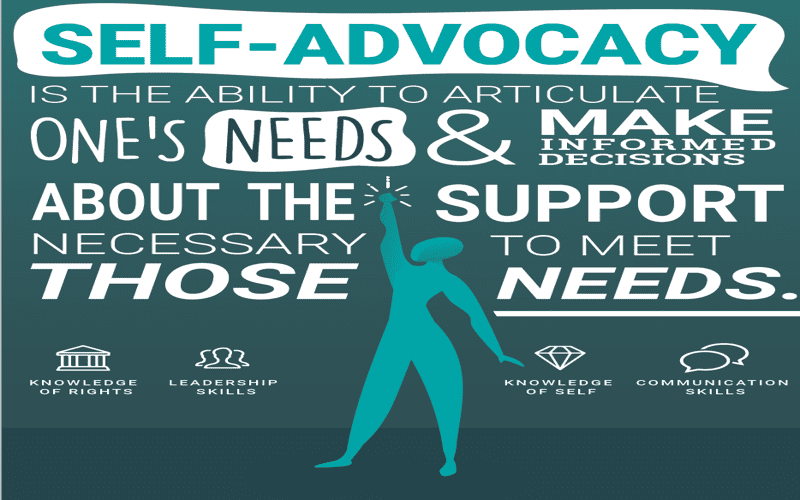
Freelance self-advocacy is crucial for anyone venturing into the world of freelance web design. As a freelancer, you relish the autonomy that comes with being your own boss, but this independence also means that your success largely hinges on your ability to stand up for yourself. The landscape can sometimes be daunting, with clients unaware of your rights and the intricacies involved in client relationship management. Engaging in effective freelance communication can mitigate misunderstandings and set a firm foundation for your collaborations. By equipping yourself with strategic freelance business tips, you empower yourself to navigate the often murky waters of freelancing, ensuring both fair treatment and successful outcomes for your projects.
In the realm of independent professionals, advocating for oneself is a vital skill that can significantly impact success and job satisfaction. Self-advocacy for freelancers encompasses the ability to navigate client interactions, define boundaries, and communicate effectively about needs and expectations. When operating as freelance designers or developers, it becomes essential to foster strong client relationships while simultaneously protecting one’s interests. Building a solid foundation through clear guidelines and proactive communication not only enhances project delivery but also promotes a healthier working dynamic. Ultimately, the practice of standing up for your rights and responsibilities is integral for sustaining a flourishing freelance career.

The Freelance Reality: Independence and Vulnerability
The allure of freelancing often lies in the promise of independence. Designers and developers can set their hours, choose their clients, and steer their careers in directions aligned with their passions. However, this freedom comes with its own set of challenges. The lack of a safety net means that when emergencies strike or clients disappear, it’s ultimately up to you to pick up the pieces. From ensuring that payments are made to advocating for fair treatment in your working conditions, freelancers face unique vulnerabilities.
Many freelancers have encountered the frustration of clients who simply vanish after receiving their work. This absence of traditional workplace protections leaves many feeling exposed. It’s essential to recognize that while freelancing offers flexibility, it also requires a proactive approach to self-advocacy. Creating structured policies and maintaining clear communication with clients not only mitigates risks but empowers you in your freelance journey.
Establishing Boundaries: Policies That Protect You
Setting boundaries is a crucial aspect of a successful freelancing career. As a freelancer, it’s imperative to have a clear understanding of your payment policies. Be explicit about your rates, payment terms, and consequences for late payments. This transparency ensures clients understand from the get-go that you take your work—and your remuneration—seriously.
Moreover, clarifying your business hours can help manage client expectations. Establishing when you are available for communication creates a professional framework. It tells clients that while you are dedicated, your time has boundaries. Likewise, outlining the scope of work upfront protects you from being drawn into additional tasks without fair compensation. By communicating these policies effectively, you foster respect and professionalism in your client relationships.
The Importance of Communication
Even the best-laid plans can go awry, and this is where open communication becomes essential. It’s easy to slip into the habit of accommodating clients and their demands, often at the expense of our own well-being. If you find that a project lacks necessary resources, or if you’re faced with conflicting demands, it’s crucial to voice those concerns. Direct and honest discussions promote a healthier working relationship and ensure that both parties are on the same page.
The act of speaking up doesn’t just resolve issues; it also benefits your mental health. Unaddressed concerns can manifest as stress and anxiety, distracting you from your creativity and productivity. When you express your needs and boundaries, you’re not just advocating for yourself—you’re carving a space where you can thrive as a freelancer.
Maintaining Self-Advocacy
Freelancers must recognize that they are their own best advocates. Without a team to support them, designers and developers must navigate client relationships with caution. It’s crucial to actively manage how you present your work and service offerings. Allowing yourself to be overworked or unsupported can lead to burnout and dissatisfaction, which stifle creativity and productivity.
Self-advocacy also positions you as a professional in your field. When clients see that you value your time and expertise, they’re more likely to respect your boundaries and understand your needs. Remember that setting boundaries may feel awkward initially, but over time, it fosters a work environment that is both respectful and conducive to high-quality outcomes. Ultimately, empowering yourself is the first step toward a successful freelance career.
Conclusion: Empower Yourself through Self-Advocacy
The world of freelance design and development is like a double-edged sword. On one edge, there’s freedom and creativity; on the other, there are challenges and potential pitfalls. By understanding the importance of self-advocacy, freelancers can navigate this landscape more effectively. It’s about establishing clear policies that protect your interests and communicating effectively with your clients.
Every freelancer has the power to shape their own experience. By prioritizing your needs and asserting your rights, you not only improve your work life but set a standard for professionalism that can resonate throughout your industry. In the end, your success hinges not just on your skills, but on how well you advocate for yourself in every project.

In conclusion, freelance designers and developers need to prioritize self-advocacy in their work to safeguard their interests and well-being. By establishing clear boundaries and communicating openly with clients, freelancers can create a healthy working relationship that benefits both parties. Here are some key takeaways to remember as you navigate your freelance career:
– **Clear Communication**: Always outline your policies, including payment structures and business hours, to set realistic expectations.
– **Proactive Advocacy**: Don’t hesitate to voice your concerns; doing so can prevent complications later on and improve overall project outcomes.
– **Continual Monitoring**: Regularly assess your client relationships to ensure they align with your professional values and needs.
Ultimately, the path to a successful freelance career is paved with assertiveness and self-respect. By advocating for oneself, freelancers can forge productive partnerships that enhance both their professional skills and their mental health. To wrap it up, consider these essential points for effective self-advocacy:
– **Confidence in Setting Boundaries**: Clearly defined roles and rules eliminate ambiguity in client interactions.
– **Emphasizing Mental Health**: Open communication not only resolves conflicts but also contributes positively to your overall well-being.
– **Know When to Walk Away**: If a client is unresponsive to legitimate concerns, it may be time to reevaluate that partnership for your own peace of mind.