
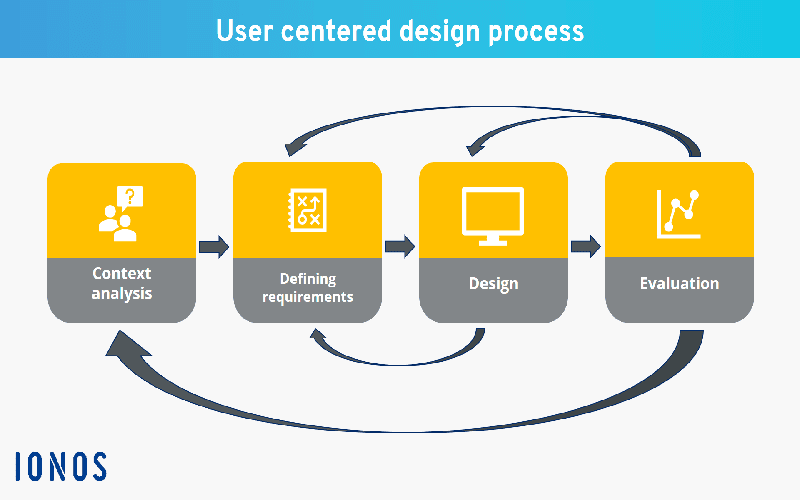
User-centric designs are vital for creating websites that not only attract visitors but also keep them engaged. In a digital landscape overcrowded with information, understanding the psychology in web design enables designers to forge connections that resonate deeply with users. By following web design principles rooted in user experience design and leveraging color psychology in web design, you can create platforms that speak to your audience’s emotions and needs. Effective navigation design in web plays a crucial role in facilitating user journeys, ensuring that the experience is smooth and intuitive. Ultimately, embracing such approaches allows for more meaningful interactions, leading to higher conversion rates and lasting customer satisfaction.
In the realm of digital craftsmanship, the concept of consumer-focused design emerges as a beacon guiding creators towards more impactful online experiences. This approach emphasizes the importance of tailoring each interaction based on the preferences and behaviors of the target audience, thus transforming mere visitors into engaged users. Elements such as human behavior insights and the art of visual storytelling are crucial in shaping a site that not only captivates but also sustains interest. Furthermore, the integration of intuitive navigation pathways ensures that users traverse the web with ease, leading them effortlessly to their desired destinations. Altogether, harnessing these principles fosters a holistic design philosophy that elevates user interaction to new heights.

The Essence of User-Centric Design
Crafting user-centric designs is akin to storytelling, where each web page narrates an experience tailored to the user. A website isn’t just a digital placeholder; it’s a vessel of interaction, guiding users through their journey. By honing in on their preferences, designers can weave in elements that resonate deeply, leading to higher engagement and satisfaction. Think of it as a dance with the end-user, anticipating their moves and inviting them to step in closer.
In embracing the principles of user-centric design, we recognize that every pixel, every color, and every line of text has its significance. This approach indeed transforms a simple site into a user-friendly haven, where functionality meets artistic expression. The act of designing becomes a collaborative narrative, bridging gaps between users’ intentions and the website’s offerings.
Harnessing the Psychological Forces at Play
Diving into the realm of psychological motivation, one uncovers the driving forces behind user actions. Users, like actors in a play, motivated by distinct desires—achievement, affiliation, and power—shape the design experience. Understanding these needs allows designers to craft digital environments that not only meet users at their point of interest but also elevate the overall interaction. Incorporating progress indicators for the achievers, social sharing for the affiiliators, and customizable options for those seeking control innovatively adheres to these psychological triggers.
Moreover, this understanding transcends mere user engagement; it cultivates a sense of belonging and satisfaction. When users feel in charge and recognized, their journey morphs into a meaningful interaction, which is the ultimate goal of any well-crafted web design.
Visual Language: Color and Typography in Harmony
Color and typography are the color palettes and brush strokes of our digital canvas—each shade carefully chosen to evoke specific feelings and reactions. Colors can stir emotions deep within: the fiery allure of red may ignite action, while tranquil blue encourages trust, enveloping the user in a sense of safety. When combined effectively with typography, this visual language transforms a basic site into an emotional experience, creating connections that resonate on a subconscious level.
Equally important is the art of typography, the very voice of your content. The elegance of a well-structured hierarchy and the artful use of whitespace weave a narrative of clarity. Readers seek coherence in what they consume; poor readability can derail the intended message. Therefore, every font choice, every spacing, every alignment must serve to enhance the rhythm of the user’s reading experience, allowing the message to flow seamlessly.

In summary, the principles of psychology are integral to crafting websites that truly resonate with users. By placing the user at the center of the design process, web designers can significantly enhance engagement and usability. Key takeaways include:
– **Prioritize User Needs:** Always design with the user in mind to enhance satisfaction.
– **Apply Color Psychology:** Use colors strategically to evoke intended emotions and responses.
– **Focus on Readability:** Choose clean typography and maintain a clear visual hierarchy to improve comprehension.
– **Enhance Navigation:** Simplify options and streamline the user journey for intuitive use.
– **Test Designs:** Engage in user testing to refine designs based on real feedback.
Ultimately, by intertwining these psychological insights into your design strategy, you can create a compelling web experience that not only meets user expectations but also fosters loyalty and repeat visits.
In closing, a user-centric approach informed by psychological principles not only makes websites more functional but also enhances the emotional connection users feel with the brand. As you embark on your web design journey, keep these focal points in mind:
– **Understand Motivations:** Identify what drives user actions to tailor design elements accordingly.
– **Minimize Cognitive Load:** Break down information and make content visually engaging to facilitate understanding.
– **Iterate Based on Feedback:** Use user testing to continually hone your designs and ensure they meet actual needs.
By embracing these strategies, web designers can create sites that are not only visually appealing but also offer an enriching user experience that fulfills both psychological and practical demands.