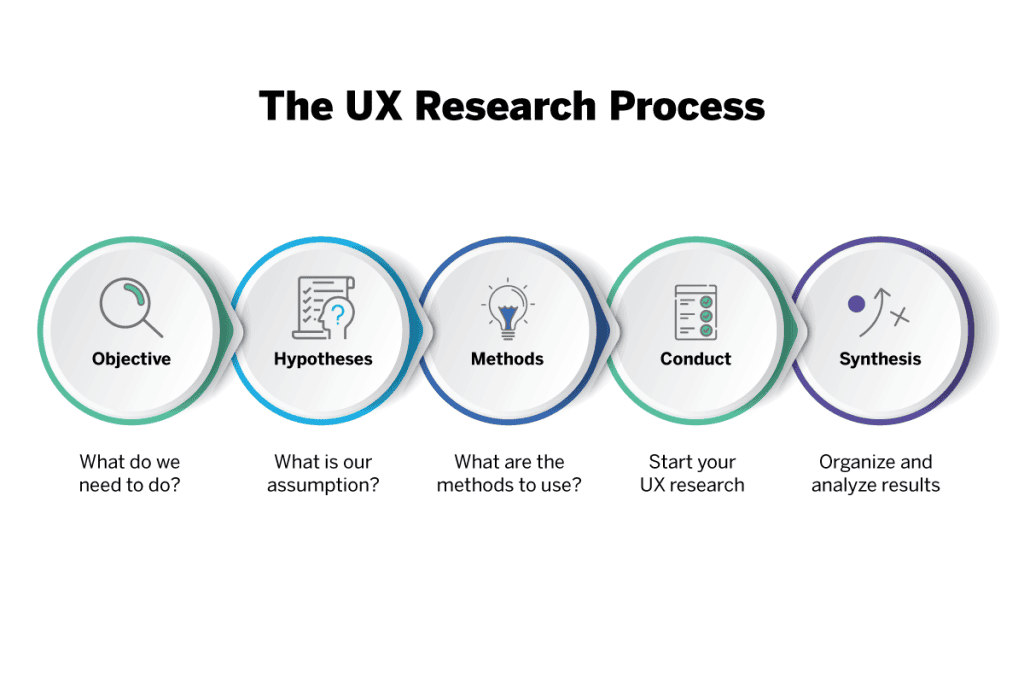
Imagine you’re in a design meeting, sketching out the interface for a new app, but the conversation quickly becomes muddled and disconnected. Stakeholders throw out ideas that don’t quite mesh, and before you know it, you’re left with a jumble of screens that don’t truly address user needs. This is where the importance of UX research becomes crystal clear—not only does it guide design decisions, but it also helps you articulate the need for deeper insights into user behavior. But how do you communicate this necessity to your team effectively? The answer can lie in two deceptively simple questions.
When your team approaches UX research through a structured lens, like an Object Definition Workshop, it invites collaboration instead of contention. By drilling down into the two foundational questions—What are the objects? What are the relationships between them?—you create a roadmap that highlights misalignments and fosters a shared understanding. This process not only clarifies expectations but also illuminates the gaps in knowledge that can make selling UX research a more tangible proposition to stakeholders who may be hesitant to allocate resources. When everyone is onboard with the research process, the entire project benefits, ultimately yielding a richer user experience.
Understanding the Value of UX Research
UX research may often feel like an afterthought in the design process, but its value cannot be overstated. Many designers jump straight into wireframing, relying on assumptions rather than hard data about user needs. This is risky. A simple user interview could illuminate critical insights that refine not just the design but also the overall product strategy, ensuring that everyone—from stakeholders to team members—is on the same page.
Imagine you’re tasked with designing a navigation menu for an e-commerce site. Instead of assuming what categories users would want, engaging in some UX research can reveal intricate user behavior, leading to a menu that genuinely caters to actual customer needs. This is the essence of selling UX research: when you present findings that directly influence design choices, people start to see it as not just beneficial, but essential.
Navigating the Research Landscape with Object and Relationship Discovery
Diving into the specifics, let’s talk about the Object Discovery and Relationship Discovery phases. These two elements are critical in identifying pain points and misalignments within your team’s perspective. For instance, in a recent project, we used these methods to clarify complex relationships between features in a financial application. By asking, “What are the objects?” we listed everything from accounts to transactions—this simple exercise aligned our team and highlighted areas needing user input.
These questions might feel simplistic, but they are gateways to deeper discussions about user requirements. The trick is making stakeholders articulate their uncertainties. By facilitating workshops where everyone brings their views on the objects and their interrelations, you’ll guide them to realize the gaps in understanding without needing to point fingers.
Your goal here is to create a collective picture where each party contributes their perspective. As new dynamics emerge in the discussion, you’ll seamlessly weave in the need for further UX research to fill in these voids—and that is where the real selling happens.
The Art of Facilitating User Experience Workshops
When it’s time to run the user experience workshop, preparation is key. Start with a process I like to call noun foraging. Gather your team and direct them to identify key nouns relevant to your project. For example, while our team was creating a health app, sources included competitor analysis and user feedback transcripts. By listing out repeated nouns, you can identify potential features and functionalities that deserve attention.
After gathering these objects, the next phase is crucial: relationship mapping. This process involves visualizing how each object connects with others. For instance, ask how a user profile interacts with appointment scheduling and reminders. A visual representation of these connections not only clarifies the design path but also highlights gaps where UX research can provide insights.
Facilitation isn’t just about guiding the conversation; it’s about fostering an environment where team members feel empowered to express doubts and curiosities. This approach not only strengthens team cohesion but also builds the case for prioritizing UX research in your project timetable.
Frequently Asked Questions
Why is selling UX research important for design teams?
Selling UX research is crucial for design teams because it helps stakeholders understand user needs and align their decisions with actual user behavior. This alignment minimizes miscommunication and guesswork, ultimately leading to better product designs that meet user expectations and improve overall satisfaction.
What can I expect from a user experience workshop focused on UX research?
In a user experience workshop focused on UX research, participants engage in collaborative activities like object definition and relationship mapping. This process helps illuminate assumptions and gaps in understanding, fostering a shared vision among team members. By the end, you can expect to identify key user needs that justify further research efforts.
How does understanding objects and their relationships enhance the user research process?
Understanding the objects and their relationships is foundational to the user research process. This clarity helps teams identify what to investigate, ensuring that subsequent user research is focused and relevant. By first defining these elements, design teams can tailor their research strategies to uncover insights that drive effective design solutions.

– Understand the importance of aligning on key concepts in design; only then can you connect with user needs effectively. This clarity forms a strong case for incorporating UX research into your workflow.
– Start with two fundamental questions to guide your exploration: “What are the objects?” and “What are the relationships between those objects?” These inquiries set the stage for uncovering misalignments and complexities in your project.
– Collaborate with stakeholders during the Object Definition Workshop, leveraging their input to identify key objects that matter to the project. This engagement fosters ownership of the process and highlights the need for additional user research.
– Engage in noun foraging prior to workshops; gather relevant terminology from various sources like marketing materials and user interviews. This helps ensure that everyone is on the same page regarding the critical components of your design.
– When mapping relationships between identified objects, visualize connections using tools like boxes-and-arrows. This clarity allows teams to see how objects interact, making the case for why understanding these relationships is paramount to effective UX design.
– Never rush into design without first clarifying objects and their relationships. Building a comprehensive understanding beforehand minimizes future confusion and aligns your team toward user-centered goals.
Explore more resources on how strategic UX research can transform your design process.