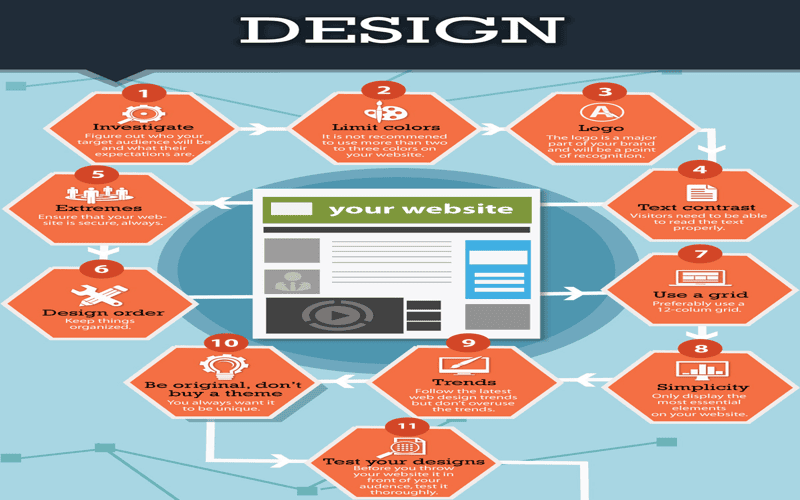
Web design tools for beginners hold the key to unlocking your creativity and bringing your digital visions to life. Whether you’re launching a personal blog, an online store, or a portfolio, mastering the right tools can significantly enhance your design journey. These user-friendly web design solutions are tailored to help novices grasp essential graphic design basics while providing invaluable web design tips for seamless navigation and aesthetics. As you dive into this exciting realm, you’ll discover the best web design resources that will empower you to craft stunning websites without overwhelming complexity. Join us as we explore the essential tools every budding designer needs to generate captivating online experiences.
Embarking on the adventure of web creation often necessitates an arsenal of intuitive design applications suited for newcomers. Novice developers and designers alike will find solace in tools that offer simplicity while still delivering impressive results. From engaging visual platforms that facilitate graphic innovation to versatile web construction systems, the landscape of online design awaits exploration. By embracing such foundations of digital artistry, learners can develop a strong command of web crafting techniques that prioritize functionality and user engagement. In this guide, we will unveil the cornerstone tools and insightful resources conducive to navigating the world of online design with ease.

Why Web Design Matters
Creating a website is much more than throwing some pictures and text online. It’s an art form that balances creativity with practicality, and understanding this blend is essential for any aspiring designer. A well-crafted website can speak volumes about your brand, engaging visitors while guiding their journey through your content. The moment someone lands on your page, they form an opinion, often within seconds, based on the visuals and usability. We’re in an age where first impressions can make or break a user’s relationship with a business, which is why investing in web design is so vital.
Imagine visiting a website that’s cluttered with excessive information or complicated navigation—frustrating, right? Conversely, a well-structured and visually appealing website can captivate and retain visitors. This immediate impact emphasizes the need for accessible design, which is where web design tools for beginners come into play. They help bridge the gap between aspiration and execution, allowing anyone to create an inviting online presence without needing extensive technical know-how.
The Importance of User Experience in Design
User experience (UX) design is often the unsung hero of web design. What does it entail? Essentially, it’s all about crafting a site that feels intuitive and inviting. The purpose of UX is to create a seamless experience for users as they interact with your website, guiding them effortlessly from point A to point B. When you focus on usability, you cater to your audience’s needs, making them more likely to return.
Consider incorporating simple navigational elements in your designs, like a sticky header that follows the user as they scroll down, or a clearly defined hierarchy using CSS that prioritizes headings and subheadings visually. Here’s a quick snippet:
“`css
nav {
position: sticky;
top: 0;
background-color: white;
z-index: 100;
}
“`
This kind of attention to detail enhances the overall UX, guiding visitors smoothly through your content while affirming your commitment to their experience as a designer.
Getting Started with Web Design Tools
From graphics to coding interfaces, the right web design tools for beginners can transform your approach to building an online presence. It’s like having the perfect brush set for a painter—each tool contributes uniquely to your final masterpiece. Tools such as Figma and Canva are game-changers, providing templates and elements that align with your vision without the stress of starting from scratch.
For example, Canva offers an intuitive drag-and-drop functionality, allowing you to create stunning visuals tailored to your website’s aesthetic. Imagine designing a compelling banner in just a few minutes, using their pre-loaded images and backgrounds. On the other hand, Figma excels in collaborative projects, enabling real-time feedback and adjustments. This versatility highlights the essence of modern web design tools: they empower you to be creative while minimizing technical barriers.
  body {

    font-family: Arial, sans-serif;  /* Sets the default font for the body */

    background-color: #f4f4f4;  /* Light gray background for the page */

    margin: 0;

    padding: 0;

  }
header {
background-color: #35424a; /* Dark header background */
color: white;
padding: 10px 0;
text-align: center; /* Centered header text */
}
Frequently Asked Questions
What are the best web design resources for beginners?
For beginners eager to learn web design, top resources include platforms like Coursera and Udemy for structured courses, YouTube channels such as ‘The Net Ninja’ for visual tutorials, and design blogs like Smashing Magazine for industry insights. These resources cover graphic design basics and offer guidance on user-friendly web design.
What web design tools are easy for beginners to learn?
Beginner-friendly web design tools include Canva for graphic design, WordPress as a comprehensive CMS, and Wix for drag-and-drop website creation. These tools simplify learning web design and offer templates that cater to various needs, making the process approachable even without coding experience.
What web design tips should beginners follow?
To thrive in web design, beginners should practice regularly, focus on user experience, and learn graphic design basics. Additionally, exploring community feedback and staying updated on the latest trends and tools will enhance their skills and help create visually engaging websites.
- **Unlock your creativity** with Canva’s intuitive graphic design tools, where pre-set templates empower beginners to craft stunning visuals seamlessly.
- **Dive deep into prototyping** with Adobe XD, where you can sculpt and share your web design ideas, enhancing your team’s collaboration effortlessly.
- **Collaborate and innovate** using Figma, a browser-based design platform that not only connects you with a vibrant community but also simplifies the process of interface creation.
- **Create with confidence** by harnessing the power of WordPress, the go-to CMS that allows novices to assemble professional websites sans coding woes.
- **Explore endless possibilities** with Wix’s drag-and-drop interface, making website building accessible to those who shy away from complex coding languages.
- **Delight in design** with Squarespace’s elegant templates, where even the most novice user can craft a visually appealing online presence with built-in SEO features for enhanced discoverability.
- **Expand your knowledge** through platforms like Coursera and Udemy, offering a treasure trove of courses that range from the fundamental to advanced web design techniques.
- **Absorb insights** from YouTube’s rich repository of tutorials, featuring respected channels that simplify complex concepts and make learning engaging and fun.
- **Stay ahead of trends** by diving into web design blogs, where the latest industry practices and insights fuel your inspiration and professional growth.
- **Connect and collaborate** by engaging with design communities on platforms like Dribbble and Behance, where feedback and inspiration flow like an endless river of creativity.
- **Elevate your skills** with regular practice, immersing yourself in real-world projects that hone your abilities and enrich your design repertoire.
- **Embrace the journey** of continuous learning, where staying updated on evolving tools and trends keeps your design skills sharp and relevant.
- **Cultivate a deeper understanding** of HTML and CSS for those moments when customization calls for a touch of coding magic.
- **Prioritize user experience** by stepping into the shoes of your audience, ensuring that every design element serves a purpose and enhances navigability.
- **Gather feedback** from trusted peers and mentors, allowing constructive criticism to illuminate your path towards becoming a more skilled designer.
Contemplate these insights as you embark on a creative journey, and feel free to explore other posts that delve deeper into the fascinating world of web design.