
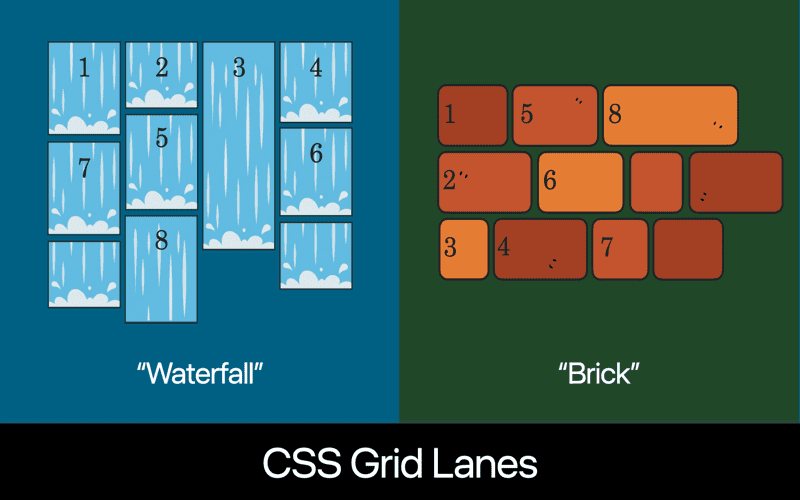
CSS functions are an essential part of modern web development, empowering designers and developers alike with enhanced styling capabilities. One notable example is the `alpha()` function, which simplifies color manipulation by allowing users to adjust transparency without the hassle of hard-coding values. With the ongoing CSS updates, including the anticipated arrival of features like the `@function`, the landscape of styling is constantly evolving. Beyond just practical applications, fun tools like CSS Wordle engage the community, keeping the excitement alive in learning about these new features. If you’re keen on mastering Grid Lanes or diving deeper into CSS functions, there’s a wealth of information waiting for exploration!
Exploring the world of CSS capabilities, particularly through functions, reveals a realm of possibilities for enhancing web design. Functions like `alpha()` not only streamline color management but also contribute to a cleaner coding experience. As the CSS landscape continues to expand with innovative updates, tools such as CSS Wordle provide an engaging approach to learn and apply these techniques. The introduction of new properties and features, especially the emergence of the `@function`, highlights the dynamic nature of styling on the web. Whether you’re diving into Grid Lanes or discovering creative ways to use functions, there’s always something new to uncover in the ever-evolving CSS ecosystem.

The Latest CSS Functions Unpacked
In the ever-evolving landscape of web design, CSS functions are transforming the way we approach styling. With the introduction of the `@function` directive, which enables us to write our own CSS functions, developers are gaining incredible flexibility and innovation in their styling techniques. Jane Ori’s extensive breakdown on how CSS functions work is a must-read for anyone aiming to enhance their CSS skills — especially for those of us who initially felt overwhelmed by the complexity.
The clarity Jane provides makes it easier to understand the underlying concepts and facilitates smoother implementation. It’s breathtaking to think how this feature could reshape CSS development, allowing for more efficient and organized code. Link it now; you won’t regret it.
On the subject of CSS, it’s clear that every developer appreciates a good reference. That’s where Declan Chidlow’s documentation comes in handy as a bookmark-worthy resource. Comprehensive and succinct, it simplifies the complex aspects of CSS functions that many might find tricky. Grasping these functions not only improves our workflow but also enhances the overall quality of our projects.
Exploring the Alpha Function
Let’s talk about the `alpha()` function. This game changer caught my attention, primarily because I hadn’t previously encountered it. Essentially, it allows us to adjust the alpha channel of colors using CSS variables effortlessly, which is a considerable upgrade from earlier methods. Imagine simply using `color: alpha(from var(–color) / 0.5);` instead of getting bogged down by the intricate details of specific color formats. It’s not just easier; it also streamlines your code significantly.
What’s fascinating is that this function isn’t merely about convenience. It embodies the shift towards more clear, readable code, allowing developers to communicate their intentions without unnecessary complexity. As Adam Argyle cleverly articulated, it’s the best of both worlds that we’ve been yearning for!
Equally important is the fact that the alpha function’s syntax eliminates the need for redundant wrapping in color functions, saving time and mental energy. The bottom line? `alpha()` isn’t just a new tool; it’s a herald of change in how we visualize and manipulate colors in CSS, aligning beautifully with our increasing reliance on CSS variables.
Updates from CSS Day 2026: Key Takeaways
CSS Day 2026 was an event to remember! Held in Amsterdam, it brought the community together like never before. Attendees explored new trends and shared insights that will undoubtedly influence CSS practices for years to come. Although they skipped the traditional livestream, the enthusiasm of the speakers was palpable, and snippets from the event are buzzing around on social media platforms like Bluesky.
The camaraderie at CSS Day showcased the vibrant spirit of the CSS community. Whether you attended or watched the discussions unfold online, the excitement surrounding topics like new CSS functions and techniques was contagious! Don’t forget to check for the recording to catch up on what you might have missed!
Furthermore, it’s fascinating to see the significant strides in animation techniques, as emphasized by Chris Coyier’s session on how to successfully animate in CSS. The approachability of his methods makes it clear that animation doesn’t have to be intimidating. We all want our sites to have that extra flair, and with these tips, getting there becomes a lot less daunting. Definitely something to ponder as you work on your next project!

In conclusion, the latest developments in CSS present a treasure trove of features and improvements that are worth exploring:
- CSS Functions: The introduction of `@function` signifies a significant shift in how CSS is utilized, promising to enhance functionality and ease of use.
- Alpha Function: The `alpha()` function simplifies color management by leveraging CSS variables, enhancing readability and reducing redundancy in code.
- Field Guide to Grid Lanes: WebKit’s new guide provides handy demos and resources, making it easier for developers to incorporate advanced grid layouts.
- Quality-of-Life Upgrades: Recent enhancements, like the new `closedby` attribute and `overscroll-behavior`, show a commitment to improving developer experience.
- CSS Day 2026: Despite no livestream, the conference offered valuable insights into the future of CSS, with recordings set to be available soon.
- CSS Wordle: For some engaging fun, the CSS Wordle game adds a delightful challenge that many developers are now exploring.
- Chrome Updates: The latest Chrome updates on features like image rendering and new shape functions reflect the ongoing evolution of the web standards.
As we embrace these updates, each presents new opportunities for creativity and efficiency in web design.