
If you’re just starting out in the world of online presence, then our guide on Web Design Tips for Beginners is just what you need. Designing a website might seem daunting, but with a few fundamental website design basics under your belt, you can create a site that captivates visitors. Embracing beginner web design tips not only simplifies the process but also enhances user experience in web design, ensuring that your audience engages genuinely with your content. From responsive web design techniques to the importance of SEO for beginners, every aspect plays a pivotal role in your site’s performance. Let’s dive into the essentials that will lay the groundwork for your creative journey in web development.
Embarking on the adventure of creating your very first website? This collection of web design insights for novices is designed to illuminate your path. Understanding how to craft an attractive online space involves mastering the art of layout, color, and typography, all while prioritizing the user’s experience. Simplistic approaches to design not only cater to aesthetics but are vital for functionality, especially in mobile responsiveness. As you explore these web design pointers, get ready to discover the powerful tools and strategies that will transform your digital landscape.
Understanding the Nuances of Web Design
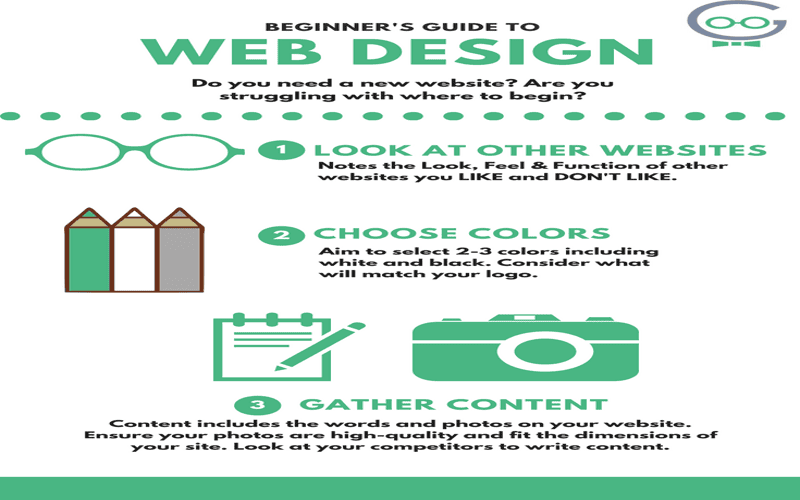
In the ever-evolving landscape of the digital realm, web design stands as a crucial beacon guiding both businesses and individuals towards visibility. It’s more than just aesthetics; it encompasses a myriad of elements that weave the fabric of the virtual experience. One must embark on a journey to appreciate the subtle balance of form and function, delving into layout strategies that dictate how users interact with the content on the page. Each pixel and placeholder plays a role in crafting a narrative that not only captivates but also retains attention.
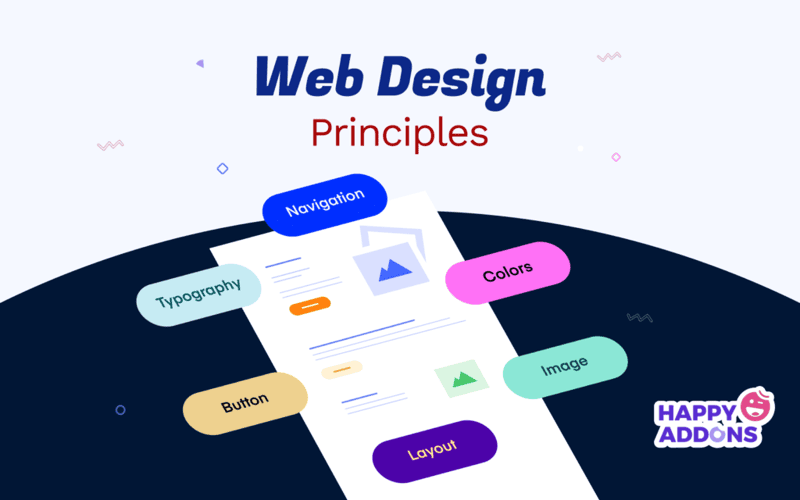
Consider color theory, a silent yet powerful influencer. The strategic choice of hues can evoke emotions, narrate stories and forge connections with the audience. Typography, too, dances on this stage, transforming mere letters into compelling messages that beckon readers to linger a while longer. And let’s not overlook the vibrancy of images — a well-placed graphic can enhance the overall user experience, bridging gaps where words may fall short. Therefore, understanding the nuances of web design equips one with the tools to create compelling and user-friendly platforms.
Strategizing Goals for Your Digital Creation
Before embarking on your web design odyssey, it’s pivotal to set sail with a compass in hand — your goals. Imagine a ship without a destination; aimless and adrift in the vast ocean of the internet, it would struggle to find meaning or purpose. Whether your intent is to increase sales via an e-commerce site, provide insightful resources about your services, or foster a community of like-minded individuals, clarity in objectives is your guiding star. Establishing specific, measurable, achievable, relevant, and time-bound (SMART) goals can frame your design choices beautifully.
A well-defined purpose allows ease and direction in the design process. For instance, an online store may rely heavily on a straightforward shopping interface complemented by persuasive visuals to drive purchases, while an informational site might prioritize layout and organization to ensure users find necessary information swiftly. Building a community would call for interactive features that encourage engagement and sharing. Thus, shaping your digital creation involves aligning your artistic vision with strategic objectives, imbuing your site with purpose.
Selecting the Perfect Platform: A Beginner’s Key
Navigating the myriad of website-building platforms can feel akin to wandering through a labyrinth, especially for the uninitiated. However, each pathway leads to unique possibilities—a chance to create something remarkable. As a novice, it’s essential to explore beneficial platforms tailored for newcomers. WordPress, with its customizable features and expansive plug-in ecosystem, offers boundless opportunities for creativity and complexity. Perfect for those who may wish to evolve their site into something grander as their skill set grows.
On the other hand, one might be drawn to the simplicity of platforms like Wix or Squarespace, which charm users with their drag-and-drop functionality and beautiful templates. Here, your focus can rest more on creative elements and less on the technicality of coding. Ultimately, the right choice hinges upon your goals and comfort level. A well-chosen platform lays the foundation for your web presence, simplifying the design process while allowing your unique vision to shine through.

In conclusion, embarking on your web design journey can be both exciting and empowering. By understanding the foundational elements and following a strategic approach, you can create a stunning website that meets your objectives and captivates visitors. Remember to keep the following key points in mind as you progress:
- Master the Essentials: Grasp the key components of web design like layout, color theory, and typography.
- Define Your Goals: Clearly outline what you want your website to achieve to guide your design choices.
- Select the Right Tools: Choose a web-building platform that suits your skill level and project needs.
- Prioritize UX: Focus on creating an intuitive experience that ensures easy navigation and responsiveness.
- Simplicity is Key: Embrace simplicity in design to avoid overwhelming your audience.
- Utilize Quality Visuals: Incorporate high-quality images and graphics while ensuring accessibility through alt text.
- Implement SEO Basics: Use SEO principles to enhance visibility and attract more traffic to your site.
- Test Diligently: Conduct thorough testing to ensure your website is functional across different platforms and devices.
- Commit to Continuous Improvement: Regularly update your content and learn from analytics to refine user engagement.
With these considerations, you’re well-equipped to navigate the world of web design confidently. Embrace the learning curve, seek inspiration, and remember that creativity coupled with persistence will lead you to create a unique online presence that resonates with your audience. Good luck, and may your design journey be a fulfilling one!