Protect media files WordPress is a crucial consideration for any site owner looking to safeguard their valuable content. Without proper measures, sensitive media can easily be exposed to unauthorized access or public visibility, undermining the security and privacy of your website. Implementing robust WordPress media security strategies allows you to effectively protect your files and keep prying eyes at bay. By utilizing methods to hide media files WordPress or prevent file access WordPress, you can maintain tighter control over your media library security. Additionally, blocking hotlinking WordPress can further shield your files from bandwidth theft and unwanted exposure.
Ensuring the safety of your uploaded media is essential for maintaining a secure digital environment. By employing techniques that focus on managing file access and enhancing library security, website owners can effectively protect sensitive materials from being easily accessible. Employing tactics to obscure media files and prevent unauthorized viewership is vital to keeping your content safe. Furthermore, employing strategies that restrict search engine crawlers can contribute to a more secure media management experience. These precautions collectively fortify the integrity of your website’s media library, allowing users to interact with the content without compromising security.

Understanding Media File Vulnerabilities
The WordPress Media Library serves as an essential repository for images, documents, and multimedia files. It efficiently organizes uploads, creating history-based folders and various image sizes, enhancing usability for the website owner. However, as beneficial as this tool is, it introduces vulnerabilities that can compromise the integrity of private files. For instance, if an uploaded PDF is indexed by search engines, anyone could stumble upon sensitive files just by modifying a URL, leading to unintended leaks.
Consider the implications of a user discovering a confidential document meant solely for registered members. This scenario underscores a critical flaw in how WordPress was designed. Information meant for a select audience can easily seep into the public domain due to predictable file paths and search engine indexing. It’s imperative to assess how these vulnerabilities can affect both the owner and the visitors of a site, especially when sensitive data is involved.
Methods of Enhancing Media File Security
To bolster the security of your media files, it’s pivotal to explore the array of protection methods available. These approaches can vary widely, and the one you choose will largely depend on your website’s specific needs, encompassing various scenarios where data exposure could pose risks. While none of these strategies can promise to guarantee complete safety against determined breaches, they primarily serve to deter unauthorized access and misuse.
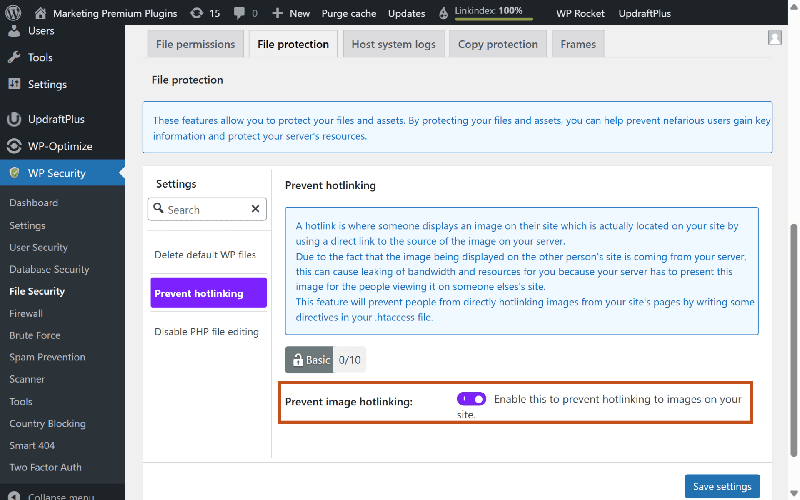
A fundamental way to safeguard your uploads is by blocking direct access from external sites, often referred to as ‘hotlinking.’ This tactic cuts down on unwanted bandwidth consumption and ensures users engage with your content through your website rather than bypassing it. Implementing server-level blocks through your `.htaccess` or `nginx.conf` files can significantly enhance your file security, directing traffic strictly through legitimate channels.
Thwarting Search Engine Indexing
It’s vital to acknowledge that inadvertently exposing your media files to search engines can have grave repercussions. Instead of fostering positive SEO outcomes, you might accidentally make sensitive documents accessible to anyone with a search engine. To tackle this, adding directives to your `/wp-content/uploads/` folder can tell bots to steer clear of indexing your files. Although this doesn’t completely block them from accessing your files, it minimizes the likelihood of unwanted exposure.
Further measures to fortify file privacy include deploying specific code snippets in your server configuration files. By instructing search engines to ‘noindex’ certain media types, you essentially create a barrier against search crawlers, reducing the chances of your files appearing in search results. These preventive tactics help maintain the exclusive nature of your content while preserving bandwidth and server space.
Controlling Access to Attachment Pages
WordPress generates attachment pages for every media file uploaded, but these can often lead to unnecessary public access if not managed properly. Many users may overlook the significance of these pages, resulting in content being discoverable by search engines. This can severely undermine the intention behind holding certain files in a protected space. A proactive strategy to avoid this is crucial.
Implementing custom functions within your theme’s `functions.php` file can completely rethink how access to attachment pages is handled. By returning a 404 error for these pages or redirecting users back to the original content, you curate a more controlled experience. Reciprocating access puts users firmly in touch with relevant content rather than accidentally leading them to isolated media files, thus fostering a more integrated website experience.

In conclusion, protecting your media files in WordPress is essential for maintaining both the integrity of your content and the overall performance of your website. While WordPress conveniently organizes uploaded files, it does pose certain vulnerabilities that can be exploited if not properly secured. Here are key takeaway points to consider:
– Implement measures to block direct file access, mitigating the risk of hotlinking, which can drain your site’s bandwidth.
– Use rules in your server configuration to discourage search engine indexing of your media files, helping to avoid unwanted public access to sensitive content.
– Manage attachment pages effectively to prevent search engines from indexing them or redirect users to relevant content instead.
By taking the necessary steps to enhance the security of your media files, you can significantly reduce the chances of unauthorized access and inadvertent exposure. While no method is foolproof, these precautions can greatly deter casual threats and improve your website’s functionality. Remember:
– Always keep your WordPress installation and plugins up to date to minimize vulnerabilities.
– Regularly review your media file settings and access permissions to ensure they align with your site’s requirements.
– Consider employing additional security plugins geared towards media protection for enhanced safeguarding of your files.