
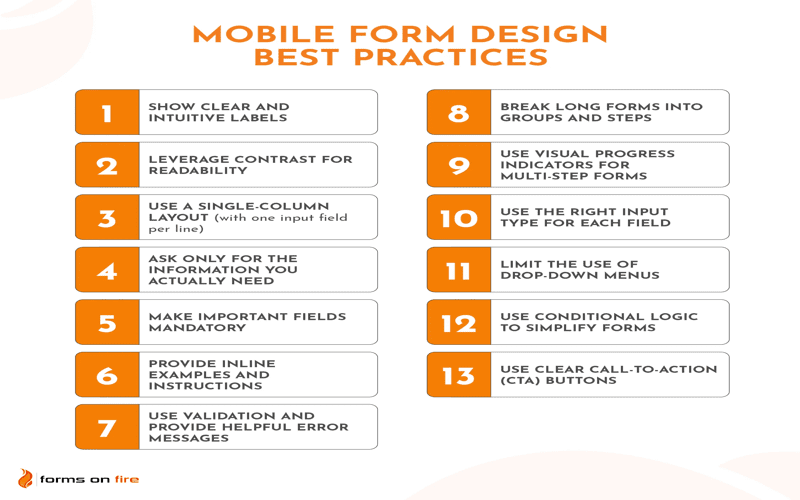
Form automation is revolutionizing the way businesses manage their workflows by streamlining processes and ensuring that every submission is handled efficiently. With the rise of digital platforms, the importance of adhering to form design best practices cannot be overstated—these practices enhance user experience and facilitate automated form submissions. When integrated seamlessly with CRM systems, form automation eliminates the headaches caused by duplicate entries and inconsistent data formatting, making data validation in forms a crucial step in the submission process. By prioritizing automation, businesses can not only improve operational efficiency but also foster happier users and satisfied clients eager to engage. Understanding the overall impact of form automation can set a strong foundation for enhancing front-end experiences and optimizing back-end responses.
In today’s fast-paced digital landscape, the integration of automated forms represents a significant leap towards optimizing business operations. Also known as form automation technology, this innovative approach enables seamless processing and management of user interactions through dynamic forms tailored for enhanced usability. Key components like user experience forms and CRM synchronization ensure that every lead is captured accurately, minimizing the risk of errors during data handling. As businesses shift towards automated workflows, implementing effective data validation in forms becomes essential to maintain data integrity and streamline user engagement. Embracing these advanced techniques not only elevates user satisfaction but also empowers teams to focus on strategic growth initiatives.
Understanding the Workflow After Submission
When it comes to forms, many developers fall into the trap of thinking that their job is done once they hit ‘deploy.’ But this couldn’t be further from the truth. I found out the hard way that a smooth form submission experience doesn’t guarantee a successful business outcome. “What happens after someone fills this out?” is not just an afterthought; it’s the foundation on which effective forms are built. Every data point needs to flow seamlessly through the system for a high conversion rate. A single delayed email could cost you valuable leads, as my experience showed.
Overlooking workflow is a common pitfall. For instance, just because the data transfers from point A to point B doesn’t mean it does so in a manner that’s usable. That data needs to trigger actions across various platforms—like notifying sales teams or logging entries in a CRM. This is where developers must step in. Knowing what happens in the backend after a form submission is crucial. It’s about designing with intention, where every field’s purpose matches real-world application, ultimately shaping the user experience.
The Role of Validation in Workflow
Imagine hitting ‘send’ on an important message only to find out it wasn’t delivered because of a minor typo. That’s the kind of frustration poor validation can instill in users. Ensuring data quality before it even enters the back-end systems not only saves time but alleviates potential headaches. For instance, formatting an email or phone number isn’t merely cosmetic; it’s essential. The backend systems depend on these fields being pristine to function correctly. Therefore, smarter validation should be implemented, examining each entry thoroughly—something I neglected, which led to chaos in data management.
By integrating robust validation early in the form-experience design, you empower the user to correct errors before submission. This not only results in a seamless experience but also enhances data integrity, thus ensuring that the information flowing into the system is clean and usable. The vulnerabilities associated with poor validation often rear their ugly heads downstream, so being proactive can circumvent a lot of future problems. Looking back, I realized that a bit of extra time spent on validation could save countless hours later.
Optimizing for User Experience
User experience extends far beyond the aesthetics of a form; it includes how users feel during submission and what they expect post-submission. If you merely give them a generic ‘Thank You’ after they have submitted, you miss an essential opportunity to engage. Instead, consider providing them with detailed feedback. Where is their data being sent? What timelines can they expect back from your team? Users crave clarity, and supplying that information builds trust.
Moreover, preventing double submissions by disabling the submit button is a practical approach that directly enhances user experience. Imagine a frustrated user clicking multiple times due to a slow connection, only to find they’ve submitted multiple entries. It’s a frustrating cycle that can be avoided. Ensuring that your forms are responsive and provide clear visual feedback throughout the submission process not only assures users their action is in progress but drastically reduces the chances of mistakes—an upgrade every developer should prioritize.

In conclusion, successful form automation transcends meeting basic functionality. It involves a holistic view of how data is processed after submission, directly influencing both user satisfaction and business efficiency. Developers must advocate for a more nuanced understanding of form design by focusing on the following key aspects:
– **Understand Workflow Requirements:** Collaborate with stakeholders to discern the business needs tied to each form field.
– **Implement Early Data Normalization:** Ensure information is formatted correctly before it reaches back-end systems, minimizing the likelihood of duplicates or invalid entries.
– **Enhance User Feedback:** Communicate clearly about submission statuses and any errors, which sets appropriate expectations and fosters trust among users.
Moving forward, implementing these best practices will not only optimize form functionality but also contribute to a delightful user experience. It is essential to recognize that:
– **Validation Matters:** Forms should validate input preemptively to avoid unnecessary processing errors.
– **Double Submissions Need Prevention:** Disable submission buttons during processing to reduce redundancy.
– **Structured Data Is Key:** Organizing data meaningfully ensures compatibility with automation tools, streamlining workflows.
– **Over-communicate Outcomes:** Clear success messages inform users of the next steps and reassures them of responsive follow-up.
By considering these elements, developers can craft forms that are integral parts of a seamless business automation ecosystem.