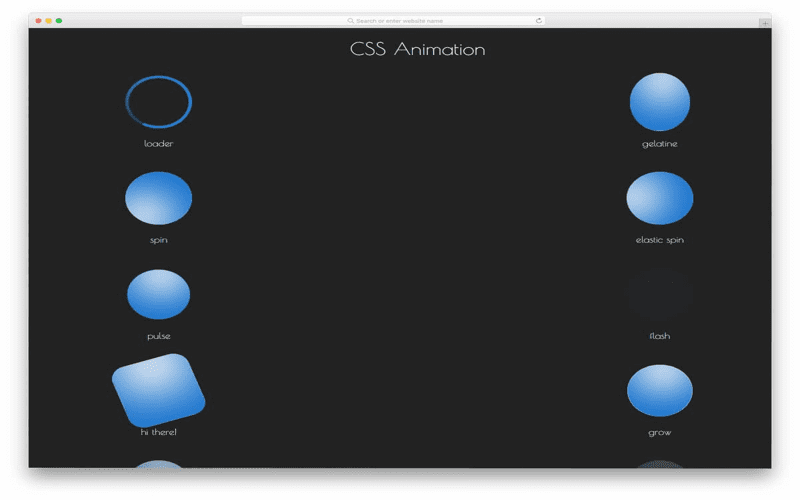
In the dynamic landscape of web design, **scroll-driven animations** have emerged as a captivating means to enhance user interaction and storytelling. By linking animations to user scroll positions, creators can offer a seamless experience that responds fluidly as one navigates through content. These innovative scroll effects not only enrich the aesthetic appeal of a site but also bolster responsiveness, ensuring a consistent feel across devices. As designers increasingly explore the potential of CSS animations, the introduction of unique properties like `corner-shape` is paving the way for even bolder visual statements. With the integration of these techniques, web design is evolving into a more interactive and engaging medium.
Often referred to as scroll-triggered animations or scroll-based effects, these techniques utilize the user’s scrolling behavior to control visual transitions and animations. This method provides a fresh way to present content, allowing elements to dynamically change or animate as the viewer scrolls down a webpage. By incorporating these animated features with responsive design techniques, designers can create immersive experiences that captivate visitors and maintain their interest. Additionally, embracing corner-shape transformations alongside these animations can lead to intriguing results in both function and style. The synergy between scrolling interactions and innovative CSS properties illustrates a shift in how designers craft engaging narratives on the web.
The Appeal of Scroll-Driven Animations
In the digital design landscape, scroll-driven animations have gained an undeniable traction. They create an engaging user experience, making static content come alive. Imagine scrolling through a webpage where elements subtly shift, morph, or transition with your every downward scroll, creating a cohesive narrative that draws the user in. This interaction not only captivates attention but also enhances the storytelling aspect of a website, making it feel less like a collection of text and images, and more like an experience.
However, some might argue that while these animations are visually appealing, they can also be distracting if not implemented thoughtfully. For instance, excessive or poorly timed animations can take away from the content that you really want users to engage with. Therefore, it’s essential to strike a balance between aesthetic charm and functionality, ensuring that every animation serves a purpose and complements the overall design.
Understanding Corner Shapes in Animation
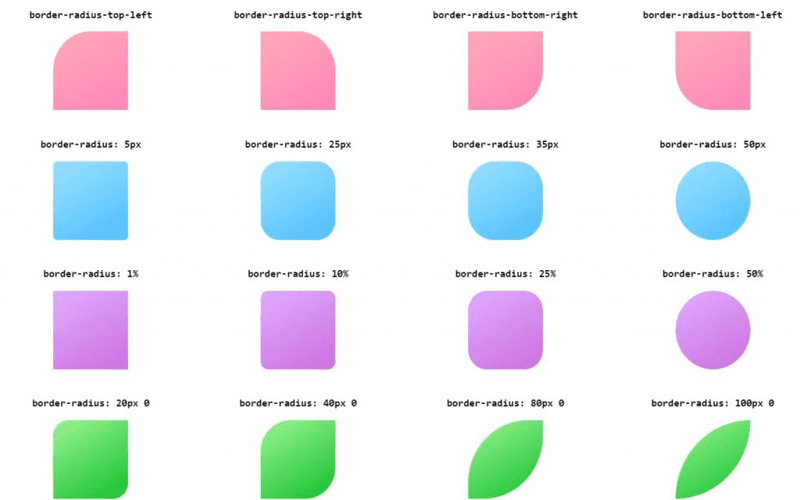
The `corner-shape` property is an intriguing tool in the designer’s arsenal. This CSS feature empowers developers to create various shapes without requiring complicated workarounds like SVGs or extensive use of JavaScript. The mathematical nature of corner shapes opens new avenues for creativity; it transforms the mundane corner of a rectangle into something visually striking, like notches or scoops. These distinct shapes can serve both functional and decorative purposes, making it an excellent choice for innovative web design.
Utilizing `corner-shape` not only allows for better custom design but when paired with scroll-driven animations, it offers a powerful means of engaging users. Developers can run animations that smoothly transition shapes from one form to another, creating a dynamic experience as users scroll through the content. This fluidity adds a layer of sophistication, making websites feel modern and interactive. Therefore, grasping the potential of `corner-shape` can lead to stunning, contemporary designs that stand out.
Expanding the Potential of Animation Features
As we continue to explore the vast potential of scroll-driven animations and `corner-shape`, the possibilities seem virtually limitless. Imagine layering multiple animations or even combining them with other features like scroll snapping or buttons. By integrating such functionalities, users can enjoy a more immersive experience. For instance, scroll snapping can create a guided interaction, allowing users to move linearly through sections of content without losing the context.
Incorporating animations that react to user inputs not only adds to the interactivity but also emphasizes the importance of user experience in design. These strategies can be particularly effective in e-commerce settings, where engaging your audience can lead to higher conversion rates. Thus, experimenting with various animation features will not only enhance the visual appeal of a web page but also foster a stronger connection with the audience, ultimately driving engagement and satisfaction.
In conclusion, the exploration of scroll-driven animations combined with the innovative `corner-shape` property offers a dynamic avenue for web designers to enhance user experience and visual appeal. This capability, once fully supported across all major browsers, will usher in a new era of interactive design elements that engage users through simple yet effective animations. Key takeaways from this experimentation include:
– The versatility of `corner-shape` allows for unique shapes that can be mathematically defined and easily animated.
– Integrating scroll-driven animations provides a seamless connection between user interaction and visual transformation, making interfaces feel more responsive.
– The ability to combine other CSS techniques, such as scroll snapping and blend modes, can amplify the effects and enhance overall design aesthetics.
– Finally, future development in this area could lead to even more complex and appealing animations, positioning CSS as a fundamental tool in web design.
Furthermore, the potential of integrating `corner-shape` with various scroll features opens up new possibilities for designers aiming to create immersive and engaging web applications. As web standards evolve and support for scroll-driven animations is improved, we can expect to see even more creative implementations. To summarize the critical aspects of working with scroll-driven `corner-shape` animations:
– Establishing a strong foundation with the `superellipse()` function enables quick adjustments to visual design without complicated calculations.
– The demonstration of using pseudo-elements with CSS animations illustrates how layered elements can create depth and intrigue on a page.
– Emphasizing performance and smooth animations will be essential as browsers support these features more robustly, ensuring users enjoy fluid interactions.
– Ultimately, as web enthusiasts explore these techniques, the creativity unleashed will lead to innovative solutions in both functionality and design.