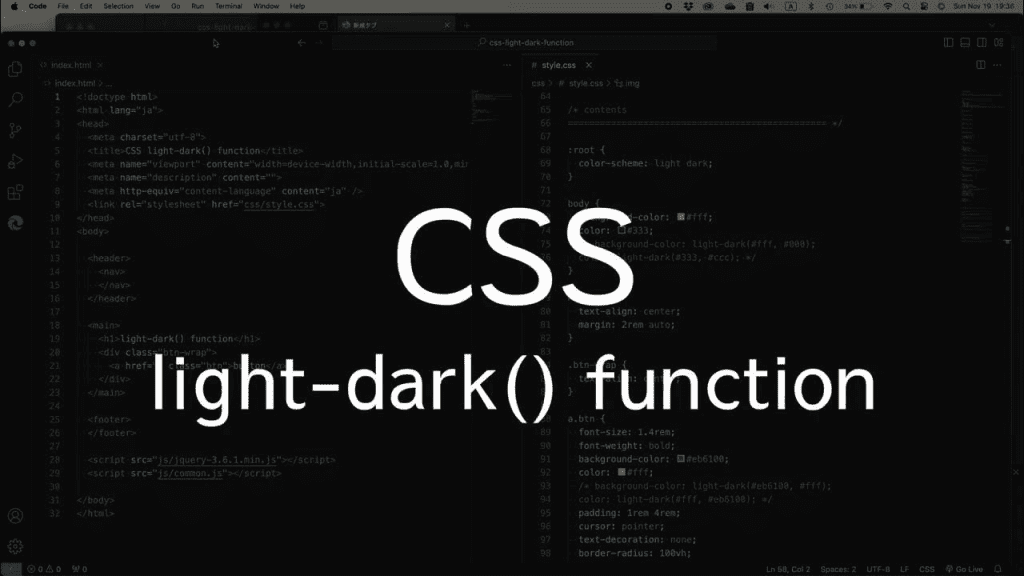

Imagine a scenario where your content needs special highlighting—those standout phrases that grab a user’s attention. Enter the CSS Custom Highlight API, allowing you to create dynamic, visually striking highlights that can redefine user interaction on your website. This isn’t just a simple tweak; it’s about enhancing user experience by making critical information pop. But CSS advancements don’t stop there; think about integrating CSS navigation matching, which tailors the styling of specific elements contextually based on user navigation. It’s almost like giving your site a sixth sense. Add to this mix the ability to fix that pesky text-stroke issue, ensuring your typography looks sharp, alongside the magic of styling skeleton UIs for preloaders that keep users engaged while they wait. And if you’ve ever wrestled with images overflowing their containers—there’s a technique for that now too! Plus, with diagonal scrolling using the latest CSS properties, you’re able to unlock new dimensions in your layout strategies. Isn’t it thrilling to explore these rich possibilities for enhancing your web design?
The modern web is an evolving canvas, and with tools like the CSS Custom Highlight API, designers can now wield precision in how they present important information. Have you ever wanted to draw attention to text seamlessly? This API makes it possible by allowing highlights via the `::highlight()` pseudo-element, enabling a more engaging user interface. Beyond highlights, CSS navigation matching expands the horizon further by allowing developers to style elements dynamically based on navigation—imagine context-reactive designs that respond elegantly to user behavior. Then, there’s the challenge many face with text-stroke: how often you’ve seen the effects poorly aligned. Thanks to advancements, it’s now easier to ensure that strokes look polished with just a couple of straightforward fixes. And while images might seem static, they can actually be styled to overflow their own container, offering unique layout opportunities. For those craving visually dynamic experiences, diagonal scrolling is now within reach, changing the way users interact with content. With all these tools at our disposal, the question isn’t just how to use them, but how creatively can we combine them?
Understanding the CSS Custom Highlight API
The CSS Custom Highlight API has revolutionized how we can visually enhance user experience by highlighting text dynamically. Initiated by the efforts of Sunkanmi Fafowora, this API allows you to use a `::highlight()` pseudo-element, rendering text with a background highlight that feels seamless and responsive. While the name suggests a purely CSS tool, JavaScript plays a crucial role in bringing its full potential to life. This blend of languages provides developers with flexibility to create visually captivating UIs.
Implementing the CSS Custom Highlight API is simpler than it might seem. A quick example would be using JavaScript to change the highlight based on user interactions. Imagine marking search terms within a text block — once you identify the terms, a quick script can apply the highlight. Style the highlighted section using CSS and watch as it springs to life as users navigate through your content.
But the impacts don’t stop at mere highlights; this API also enhances how we enrich app interfaces. For instance, by employing the API in combination with other CSS features, like animations, you can make transitions feel alive. Users will find themselves engaged as colors dance around the screen, emphasizing the most relevant areas of your app or webpage.
Mastering Overflowing Images in CSS
Ever wonder why images sometimes seem to overflow beyond their containers? This curious phenomenon stems from the `` element being treated as a box-like container for its contents. Temani Afif’s insights help clarify this concept. Using CSS, you can control the image output in remarkable ways. For instance, `content: url(your-image-path)` not only allows you to swap images but also lends itself to defining multiple resolutions effortlessly using `image-set`.
Here’s a practical example for you: by combining `content` with media queries, you can serve different image sizes depending on the device’s resolution. This ensures users get the best experience possible without unnecessary loading times. Check this snippet out:
“`css
img {
content: image-set(
url(‘image-small.avif’) 1x,
url(‘image-medium.avif’) 2x,
url(‘image-large.avif’) 3x
);
}
“`
Ultimately, the concept of overflowing images is not just a quirk; it’s an opportunity. Understanding how images interact within their confines allows you to manipulate layouts more effectively, ensuring that design flows smoothly, regardless of the content being displayed. It’s all about playing with CSS capabilities to craft visually appealing responses.
Navigating CSS Fixes and Enhancements
Fixing `text-stroke` has been a longstanding issue faced by developers, and Tyler Sticka recently shed light on an elegant solution using the `paint-order` property. This property tackles the typical problems associated with the `text-stroke`, ensuring a cleaner appearance for text. Previous methods often resulted in uneven strokes, especially since the inner part could look less than desirable. By leveraging this new property, the text fill is rendered over the stroke, enhancing aesthetics.
A specific example of this technique could look like this:
“`css
.text {
-webkit-text-stroke: 1px black;
text-stroke: 1px black;
paint-order: stroke fill;
}
“`
This approach ensures that your designs not only look great but also conform to evolving standards, reminding us that staying updated with CSS specifications is vital.
Then there’s the intriguing area of skeleton UI styling—a hot topic in UX design. It’s all about creating placeholders that signal to users that content is loading. Utilizing both CSS and the community’s input leads to innovative solutions, such as the `box-decoration-break: clone` property for creating multiple skeletons in one line. The interplay between these elements showcases the growing capabilities within CSS to create dynamic visuals that enhance the user journey. Engaging users while they wait is part of making a seamless experience.
Frequently Asked Questions
What is the CSS Custom Highlight API and how do I use it?
The CSS Custom Highlight API allows you to style text highlights on web pages using the `::highlight()` pseudo-element. It’s implemented with JavaScript, enabling dynamic highlight effects based on user interactions or specific criteria. To use it, ensure your web application is compatible with this API and follow the demonstration on integrating the `::highlight()` function for styling.
How can I use CSS navigation matching to enhance user experience?
CSS navigation matching lets you style elements based on the user’s navigation path, which creates a more responsive and intuitive interface. By applying styles conditionally, you can highlight active links, change button colors, or display different visual cues as users interact with your application, enriching the overall user experience.
What are some effective methods for styling skeleton UIs in CSS?
Styling skeleton UIs can be achieved using pure CSS by leveraging properties like `box-decoration-break: clone`, which allows for smooth transitions and loading states that mimic the final UI. Combine this with animations and gradients to enhance the skeleton’s appearance, making it visually appealing while the actual content loads.

– **Explore the CSS Custom Highlight API**: With full support across all major browsers, this API allows for a dynamic way to highlight text utilizing the `::highlight()` pseudo-element, making your web applications more interactive when paired with JavaScript.
– **Delve into image overflow mechanics**: Who knew `` elements could overflow themselves? This surprising behavior lets you creatively swap image sources using CSS, which can provide a slick, efficient approach to managing visual content.
– **Learn to remedy text-stroke issues**: Just as the Custom Highlight API enhances text visibility, understanding how to refine `text-stroke` alignment can significantly improve typography in your designs, ensuring text looks polished and professional.
– **Master skeleton UI styling**: Skeleton UIs can be made visually appealing using innovative CSS techniques. This not only enriches user experience during loading times but also ties back to the accessibility of content marked by conditions like highlighting.
– **Experiment with the `lh` unit**: The `lh` unit serves various purposes in CSS, including being a useful reference point for sizing and spacing that complements the Custom Highlight’s flexible styling options.
– **Unlock diagonal scrolling**: The `scroll-axis-lock` property opens up exciting layout possibilities akin to the Custom Highlight API’s versatility, allowing for more dynamic interactions with page content.
– **Venture into CSS navigation matching**: This feature enables styling interactions based on user navigation, drawing parallels to how the Custom Highlight API enhances user engagement by visually emphasizing navigation cues.
Curiosity drives innovation in CSS—delve deeper into these techniques and keep your designs fresh by exploring more related insights!