

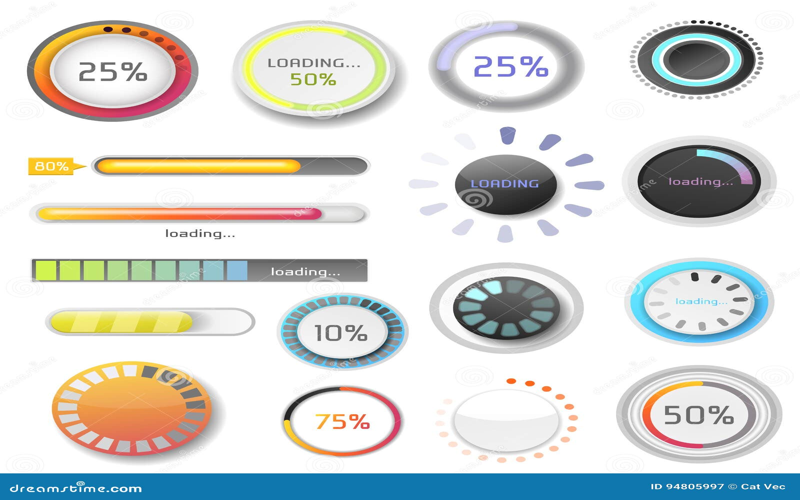
SVG loaders have become an essential part of modern web design due to their ability to enhance both performance and aesthetics. As scalable vector graphics, SVG loaders stand out against traditional raster images, offering advantages such as faster load times and superior visual quality. In the ongoing graphics performance comparison between SVG and raster formats, it’s clear that SVGs provide greater flexibility and efficiency. Designers can easily manipulate SVG loaders with CSS and JavaScript, personalizing user experiences while maintaining design consistency. This article explores the myriad benefits of SVG loaders, underscoring why they have emerged as the preferred choice for web design loaders.
When we talk about loading animations on websites, we often refer to dynamic visual elements that guide users during waiting periods. These loaders, especially when crafted using scalable vector graphics (SVG), offer a significant edge in terms of efficiency and adaptability. Unlike their raster counterparts, which rely heavily on pixel-based rendering, SVG loaders are constructed with mathematical paths, allowing for crisp visuals at any scale. This not only improves user experience but also underscores the importance of optimizing web performance. As we delve into this topic, we will uncover various advantages of using SVG formats over more conventional graphic options, particularly in enhancing the loading process in web applications.
Diving Deeper into SVGs
Scalable Vector Graphics (SVG) are fundamentally different from raster images, setting the stage for numerous advantages. For instance, one of their greatest benefits is scalability. Unlike raster images – which lose clarity when resized because of their fixed pixel dimensions – SVG images can be scaled to any size without losing quality. This makes them perfect for responsive web design, where elements need to adapt seamlessly to different screen sizes, from mobile devices to large desktops.
Another aspect worth noting is performance. SVGs can be compact in file size compared to their raster counterparts, especially for complex images. They also allow for a quicker rendering process in the browser since they are typically less demanding on network resources. An SVG loader can enhance the user experience by providing smooth animations and transitions while consuming less bandwidth.
Comparative Analysis of Transparency
When we think about transparency in images, it’s crucial to understand the limitations of raster formats. The commonly used GIF format allows for transparency, but only in a binary state, rendering either fully transparent or opaque pixels. Consequently, designs using GIFs often end up with rough edges, especially around finer details or curves. In contrast, SVGs support true transparency, which allows for smoother edges. This is particularly useful for loading animations that need to overlay on intricate UI components.
Moreover, with SVGs, designers can leverage the flexibility of CSS to enhance the appearance of transparency dynamically. This ability allows for animated transitions and changes in opacity on the fly, making them a more powerful tool for designers aiming to create visually sophisticated effects.
Performance Benefits of Embedding SVGs
The underlying architecture of the web is significantly impacted by the method we choose to load images. For SVGs, embedding code directly within HTML leads to a “zero request” situation, where the browser does not need to make an additional HTTP call to fetch the image. This contrasts sharply with raster image loading, which inherently brings the overhead of network latency into the equation.
By reducing the number of HTTP requests, SVGs not only improve load times but also contribute to an enhanced perceived performance. When users see a loader that quickly appears and integrates seamlessly into their experience, it offers a more satisfying interaction, regardless of how long content ultimately takes to load.
Interactive Capabilities of SVG Loaders
Embarking into the realm of interactivity, SVG provides uncharted possibilities that raster images cannot match. The interactive nature of SVG loaders allows for the incorporation of various user-engagement strategies. You can change colors, animate elements upon user interactions, or implement styles that adapt to user preferences with relative ease. Such abilities make SVG loaders not only functional but also integral to the overall user experience.
By employing JavaScript or CSS directly within the SVG structure, developers can create engaging loaders that respond dynamically to user actions. Such interactivity transforms a simple loading indicator into a powerful branding tool, allowing sites to make a memorable impression, even during wait times.
Creativity Meets Technical Constraints
Creativity in web design often walks a delicate line with technical constraints. While SVG animations offer immense flexibility, allowing designers to narrate a brand story through intuitive loaders, developers must also navigate issues of functionality and security. As SVGs are treated as static images when embedded via traditional methods, browsers disable JavaScript in such cases, necessitating inline inclusion or ‘iframe’ use for complex interactions.
However, by carefully structuring SVG code and embedding necessary scripts, it becomes possible to create truly interactive and engaging loaders. This encapsulation makes them easy to transport across projects and reduces the need for multiple assets, culminating in a more streamlined workflow and an improved design process.
When to Choose Raster Over SVG
Despite the many advantages of SVG loaders, there are scenarios where raster images still maintain their relevance. If a loader involves intricate photographic content or is heavily illustrative in nature, raster images can be more appropriate due to their inherent capabilities for handling high-resolution textures and details.
In addition, legacy systems that lack support for SVG could necessitate the use of traditional raster images, ensuring compatibility across platforms. Likewise, if a project requires a quick loader without complex animations or modifications, it may be simpler to opt for a raster image.
The Final Verdict on Loaders
In conclusion, the choice between SVG and raster loaders hinges on various factors such as performance, aesthetics, and functionality. While small loaders may not currently showcase a stark difference in performance, as projects grow in complexity and scale, SVGs provide the necessary tools to address these challenges effectively.
Ultimately, embracing SVG technology not only improves loading times but also enhances user engagement through creative storytelling. Developers should weigh their needs carefully, ensuring they harness the full potential of modern design tools to craft experiences that resonate with their audience.
In conclusion, the choice between SVG and raster loaders is not merely a matter of performance but involves deeper considerations regarding design, user experience, and web efficiency. While both options can serve their purpose, SVGs clearly demonstrate advantages that set them apart, particularly in modern web design:
– **Scalability**: SVGs can seamlessly adapt to various screen sizes without losing quality, ensuring a crisp and responsive design.
– **Animation and interactivity**: Embedded SVGs allow for a variety of interactive animations that can enhance user engagement and provide a more fulfilling experience.
– **File Efficiency**: SVGs typically have smaller file sizes, especially when gzipped, which minimizes load times and improves perceived performance.
– **Transparency and Aesthetics**: The ability of SVGs to maintain smooth edges and true transparency makes them better suited for intricate UI designs.
By understanding these distinctions, web designers can make informed decisions that prioritize both visual quality and functional performance.
Ultimately, while raster loaders may still have a place in specific contexts, the evolving web standards and user expectations demand a shift toward more adaptable and efficient solutions. As we move further into an era valuing speed and interactive design, adopting SVG loaders should be at the forefront of web development strategies. Key takeaways include:
– **Long-term viability**: SVGs are likely to remain relevant due to their flexibility and compatibility with modern web technologies.
– **User-centered design**: Engaging users through interactive and creative loaders reflects a commitment to enhancing their experience during loading times.
– **Design coherence**: Integrating SVG loaders into your brand narrative not only improves aesthetics but also strengthens brand identity.
As web designers seek to empower their projects, embracing SVG loaders may redefine how they approach loading indicators and enhance overall site performance.