In today’s digital age, proficient web design tools are pivotal in crafting visually stunning and user-friendly websites. As we delve into 2023, the necessity for the best web design software and professional web design tools cannot be overstated, as they empower designers to bring their creative visions to life. From collaborative platforms like Figma to versatile options such as Adobe Creative Cloud, these resources transform the web design process by enhancing productivity and collaboration. Whether you’re a newcomer exploring web design resources 2023 or a seasoned expert refining your skills, leveraging the right UI UX design tools can significantly elevate your projects. This article unfolds a treasure trove of top-tier tools that are sure to inspire and ignite your creative journey in the realm of web design.
As the art of crafting engaging online experiences transforms, understanding the essentials of website creation is more crucial than ever. The realm of digital design encompasses an array of applications and resources that facilitate the building of interactive and visually appealing platforms. Different alternatives such as site development frameworks and design software empower both aspiring and highly skilled developers to conceive their ideas effectively. Emphasizing creativity and functionality, these design instruments not only streamline the workflow but also encourage innovative solutions tailored to diverse audiences. Join us as we embark on an exploration of this dynamic toolkit, unveiling what makes these resources indispensable in the modern web design landscape.
Exploring the Power of Adobe Creative Cloud
Adobe Creative Cloud stands as a pillar in the creative community, offering a suite that ranges from the high-powered editing capabilities of Photoshop to the vector design magic of Illustrator. It’s a robust collection of tools designed specifically for professionals, making it a go-to resource for web designers that demand precision and quality. Each application is regularly updated, ensuring you’re equipped with the latest features.
What makes Adobe particularly appealing is its seamless integration across various applications. Imagine starting in Photoshop, refining your images, then hopping over to InDesign to craft a compelling layout, and finally finishing with Adobe XD for interactive prototypes. This fluidity is essential for maintaining creativity in a fast-paced design environment.
However, it’s worth mentioning that the learning curve can be steep. While the tools are powerful, leveraging their full potential requires time and practice, but the investment pays off when your projects shine with a professional polish.
Collaborative Innovation with Figma
If you’re part of a design team, Figma is likely already on your radar. Its real-time collaboration feature turns the way teams interact on design projects upside down—no more endless email chains or struggling with version control. Multiple designers can work on a single file simultaneously, leaving comments and suggestions as they go, which transforms the collaborative process into a dynamic experience.
Beyond just collaboration, Figma’s prototyping capabilities allow designers to create interactive designs that feel almost like live websites. Use components and constraints to set up responsive layouts effortlessly. For example, you can create a simple button component and replicate it across your design, ensuring consistency as you iterate—a trick that can save hours of time.
Moreover, its plugin ecosystem is rich and growing. By integrating tools like Anima, you can sync designs with your development code, bridging the gap between design and implementation effectively.
The Versatility of Webflow in Modern Design
Considering how developers and designers often clash over coding, Webflow offers a refreshing solution by bringing design and development under one roof. You can visually design your website and export clean, semantic code without having to write a line yourself. This empowers designers to take full control of their projects while maintaining high standards of web performance.
Imagine crafting a responsive layout using a drag-and-drop interface, adjusting CSS properties with precision, and immediately seeing your changes reflected in real time. That’s the essence of Webflow. Its powerful CMS features allow businesses to scale easily while keeping content management simple. Whether you’re a freelancer or part of an agency, the ability to hand off a live site to a client with minimal fuss is invaluable.
While Webflow may not be for everyone, especially if you’re a hardcore developer, it opens doors for designers who want to bring their visions to life without deep technical knowledge. It’s about empowerment, allowing creativity to flow freely and efficiently.
  body {

    background-color: #fff;

    color: #333;

  }

  /* Styles for dark mode */

  @media (prefers-color-scheme: dark) {

    body {

      background-color: #333;

      color: #fff;

    }

  }
Frequently Asked Questions
What are the best web design tools for professionals?
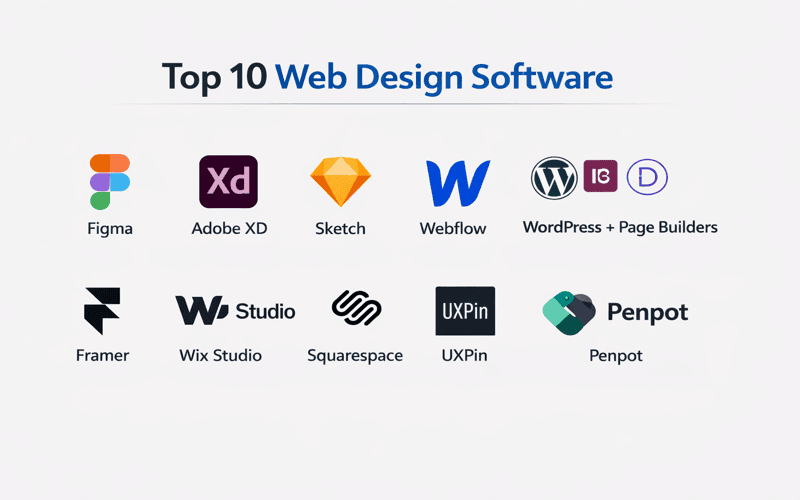
The best web design tools for professionals include Adobe Creative Cloud for its comprehensive design solutions, Figma for collaborative UI/UX design, Sketch for Mac users emphasizing vector editing, Webflow for no-code websites, and WordPress for customizable and SEO-friendly website management. Integrating these professional web design tools into your workflow can enhance creativity and efficiency.
What resources are available for improving web design skills?
Several excellent web design resources exist in 2023, including online learning platforms like Coursera and Udemy that offer courses on foundational to advanced web design techniques, as well as design communities such as Dribbble and Behance where you can share your work, gain feedback, and stay updated on industry trends. These resources are invaluable for continuous learning and growth.
How can UI UX design tools enhance my web design projects?
UI UX design tools like Figma and Sketch allow designers to create intuitive, user-centered interfaces and prototype interactions effortlessly. By utilizing these tools, you can ensure a smooth user experience, encouraging engagement and satisfaction, which are crucial aspects of modern web design.
– **Adobe Creative Cloud:** The gold standard for graphic design, this suite offers unparalleled tools for photo editing, vector graphics, and more, imparting professional polish to your web projects. Its seamless integration across applications is a boon for creative workflows, making it indispensable for designers seeking excellence.
– **Figma:** A beacon for collaborative design, Figma’s cloud-native platform empowers teams to innovate together, transcending physical boundaries. With its intuitive interface and robust prototyping features, designers can conjure interactive mockups that thrill clients and developers alike.
– **Sketch:** This macOS favorite boasts a user-friendly experience coupled with an extensive library of plugins, simplifying the complex task of creating sleek web and mobile applications. For those keen on maintaining cohesive design systems, Sketch delivers with finesse.
– **Webflow:** Unleashing creativity without the need for coding, Webflow transforms static designs into dynamic websites with its powerful visual editor. Designers can wield control over every element of HTML, CSS, and JavaScript, bridging the gap between design and development effortlessly.
– **WordPress:** Not just for bloggers, WordPress stands as a robust content management system, bringing customization to the forefront of web development. Its vast repository of themes and plugins allows for fully tailored websites that cater to the unique needs of users, especially in terms of SEO.
– **Online Learning Platforms:** Platforms like Coursera and Udemy are treasure troves of knowledge, offering courses that span the spectrum of web design. Meanwhile, YouTube pulses with a wealth of tutorials where seasoned professionals share their secrets and insights.
– **Design Communities:** Engaging with platforms such as Dribbble and Behance opens doors to valuable feedback and inspiration. The camaraderie found in these online spaces fosters growth and keeps you connected to the latest design trends.
– **Emerging Trends:** Embrace mobile-first design for an increasingly on-the-go audience. Consider integrating dark mode options and subtle microanimations to enrich user experiences and keep your designs fresh and relevant.
Dive into the enchanting world of web design; these tools and insights carry the promise of elevating your craft and breathing life into your digital visions. Explore related posts to keep your creativity sparked!