Accessibility in web design is not just a regulatory checkbox; it is a key element of creating harmonious, inclusive online environments for all. As we broaden our understanding of user experience, we must recognize that a significant portion of our audience includes individuals with disabilities, making web accessibility paramount. By implementing inclusive design practices, we enhance not just usability, but also foster a sense of belonging in a digital world that should cater to everyone. Accessibility ensures that users, irrespective of their abilities, can navigate, perceive, and engage with accessible websites seamlessly. In essence, designing for disabilities enriches the internet, creating spaces where every user can thrive.
When we talk about the essence of online usability, we delve into principles that ensure equal access for each visitor. This encompasses concepts like equitable design or adaptive interfaces, which prioritize the diverse needs of internet users, particularly those facing challenges due to various impairments. Elevating the user’s journey rests on crafting environments that celebrate inclusivity and resilience through the application of robust accessibility standards. In a world where everyone deserves a chance to connect and engage, prioritizing web accessibility isn’t just thoughtful—it’s crucial. Ultimately, embracing these inclusive strategies lays the groundwork for a digital landscape that invites participation from all walks of life.

What is Web Accessibility and Its Importance?
Web accessibility is the art of crafting a virtual space that welcomes each visitor with open arms, echoing a universal truth: the web should know no boundaries. Imagine a world where every individual, irrespective of their ability, can traverse the digital landscape seamlessly. This endeavor transcends mere design; it embodies a commitment to inclusivity. As designers, our canvas is not just the screeching pixels of code but the very experience of a billion souls, many of whom confront daily hurdles in their quest to interact with digital interfaces.
The magnitude of the task cannot be understated. With over a billion individuals globally identifying as having some form of disability, every choice we make in design reverberates through countless lives. The impact of accessible design becomes clear when we recognize that fostering inclusivity means embracing a broader audience. It’s not merely a choice; it’s a necessity—one that shapes the very future of how society interacts with technology. So the next time you sit down to craft a website, think not just of aesthetics but of the immense responsibility you carry as a creator.
The Cornerstones of Inclusive Design Practices
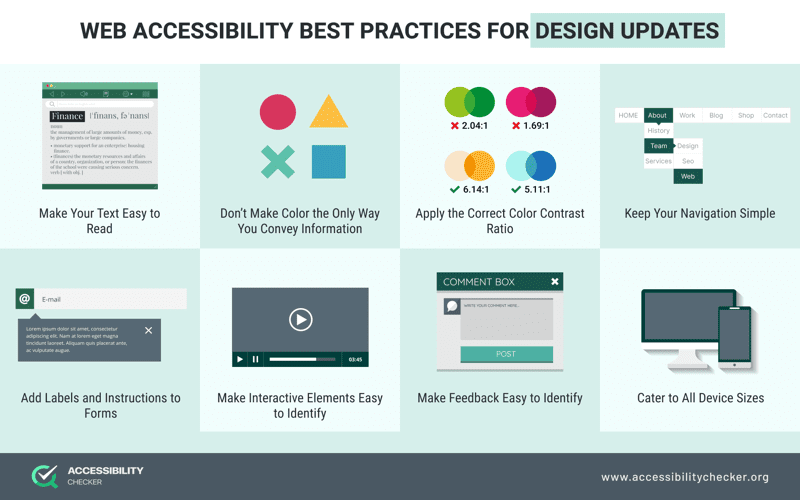
Inclusive design is a philosophy that is as much about human empathy as it is about technical execution. At its core, it seeks to encompass the diversity of human experience, creating frameworks where every user finds their needs met. The journey begins with the fundamental principle of providing text alternatives for non-text content—a simple yet profound step. By incorporating alt text, we grant access to the visually impaired, letting them experience rich visual narratives through the power of words.
Furthering this practice, the selection of typography becomes an act of intentionality. Fonts should not merely be visually pleasing; they must also prioritize readability, maintaining adequate contrasts that dance harmoniously with their backgrounds. In this way, we transition from a mere visual endeavor to an immersive invitation—ensuring that our designs resonate with clarity and intent. Remember, accessibility isn’t an afterthought; it’s a framework that should guide your art, birthing a digital experience that resonates with the rhythm of all users.
Tools and Techniques for Effective Accessibility Testing
Navigating the landscape of web accessibility testing can seem daunting, yet it can also be an enlightening journey. Equipped with the right tools, we can uncover barriers and ensure that our creations shine brightly for everyone. For instance, WAVE, a powerful web accessibility evaluation tool, helps unveil hidden issues while suggesting actionable solutions, transforming obstacles into opportunities for growth. It’s like having a guiding light in the vast ocean of digital creation.
Similarly, the Axe Accessibility Checker emerges as a trusty companion for developers, seamlessly integrating into our workflows. It evaluates code, exposing weaknesses that may compromise user experience. Additionally, employing screen readers reveals invaluable insights, simulating the experiences of those with visual impairments. Understanding their perspective is crucial; it empowers us to envision solutions that elevate the digital experience for all. In essence, leveraging these tools equips us with the wisdom to create with intention and compassion.


In summary, the journey towards creating an accessible web begins with understanding the diverse needs of users and acknowledging our responsibility as designers and developers to meet those needs. By implementing inclusive design practices, we not only comply with legal standards but also enhance the user experience for everyone. Here are some crucial takeaways to consider:
- Fostering Inclusivity: Prioritize accessibility in all aspects of design to make your website welcoming to all users.
- Enhancing Reach: Recognize the potential audience and increased customer base gained through accessible design.
- Continuous Improvement: Treat accessibility as an evolving process that adapts to new challenges and technologies.
The challenge may appear substantial, yet the impact of accessible web design is profound, paving the way for a digital environment that serves everyone.
As we conclude, let’s remember that inclusive web design is a collective endeavor that requires collaboration, creativity, and commitment to accessibility. By embedding these principles into our workflows, we can embrace a wider audience and foster an equitable online community. Consider these final reminders:
- User-Centered Approach: Engage users with disabilities in the design process to gain insights into their experiences and needs.
- Regular Frameworks: Use established guidelines such as WCAG to ensure compliance and retain best practices in web standards.
- Innovation through Accessibility: View accessibility not just as a checklist but as a creative opportunity that can inspire novel solutions and designs.
By actively integrating these aspects, we can champion an inclusive digital landscape that honors every individual’s right to information and interaction.