
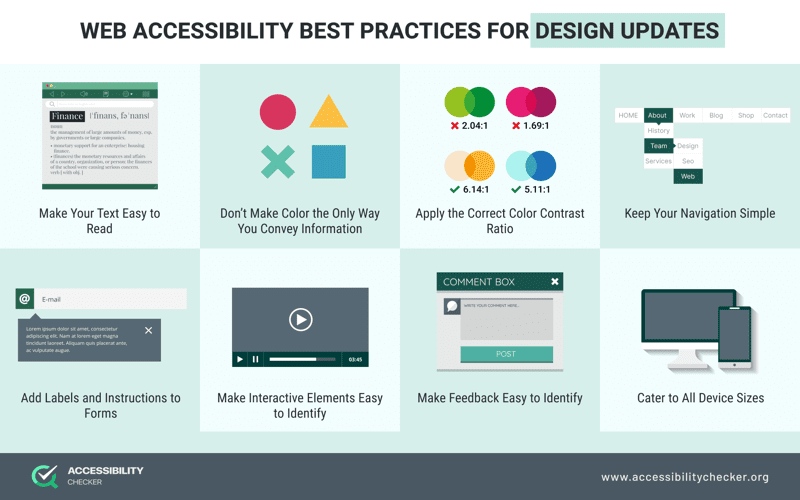
In the modern digital landscape, **accessible web designs** have emerged as a cornerstone of user-centric development. Striving for inclusivity, these designs ensure that websites cater to the varied needs of all users, particularly those with disabilities. By prioritizing accessibility, designers not only comply with legal obligations but also enhance their site’s overall usability, promoting a richer experience for every visitor. Moreover, as businesses aim to expand their audience reach, accessible web designs serve as a powerful bridge to connect with millions of individuals who might otherwise be left behind. In this exploration, we will unravel the importance of such designs and uncover actionable strategies to implement them effectively.
When we discuss the notion of inclusive digital experiences, terms like universal design and user-friendly web interfaces come into play. These concepts focus on creating platforms that allow everyone—regardless of their physical abilities or technological literacy—to comfortably navigate and engage with content online. Implementing user empowerment through design not only resonates with responsible business practices but also reflects a commitment to community and diversity. Thus, embracing principles of adaptability and consideration in site architecture can pave the way for an equitable online environment, where everyone feels welcome to explore without barriers.
Exploring the Essence of Web Accessibility
At its core, web accessibility embodies the spirit of inclusivity. It’s about ensuring that every individual, regardless of their abilities, can traverse the digital landscapes we create. Consider this: a visually impaired user navigating through a visually rich website may feel like a wanderer in a gallery, without a guide to explain the masterpieces hanging on the walls. By prioritizing accessibility, we not only open doors; we illuminate pathways. Just as a bridge connects two places, accessible web design serves as a bridge connecting diverse communities to essential information and services.
The essence of web accessibility resonates deeply in our quest for equality. Think of it as paving a path where terrain once hindered progress. Implementing practices such as alternative text for images transforms non-visual content into an enriching experience for those who rely on screen readers. It’s like translating the colors of a sunset into words, allowing someone to feel its beauty without seeing it. To design an accessible website is to paint with empathy, ensuring that every brushstroke contributes to a vivid and inclusive picture for all.
Understanding the Implications of Accessibility
Delving into the implications of web accessibility reveals a vast landscape of opportunities and responsibilities. Legally, many nations have established frameworks that echo the sentiments of fairness and equality. The Americans with Disabilities Act (ADA) serves as a guiding star, ensuring that businesses recognize their duty to cater to every individual. Yet, beyond litigation, there lies an ethical responsibility; it’s a calling to foster environments where no one is left behind, echoing the belief that everyone deserves a seat at the digital table.
Embracing accessibility extends far beyond compliance. Recognizing that over a billion individuals navigate life with disabilities compels businesses to reimagine their digital offerings. By actively designing with this audience in mind, companies not only broaden their market reach but also enhance the overall usability for everyone. Imagine a website designed with clear navigation structures, where labels guide every user seamlessly. In this way, the act of designing becomes a collaborative effort—an invitation for diverse perspectives to join the conversation.
Practical Steps Towards Inclusive Web Design
As we venture into the practical realm of inclusive web design, let’s arm ourselves with fundamental principles. The Web Content Accessibility Guidelines (WCAG) illuminate our path, offering a beacon of clarity amid the confusion that often accompanies design choices. One key principle, perceptibility, demands our attention; think of it as ensuring every note in a symphony is heard, not just by a select few but by all. Offering alternatives for non-text content transforms silence into a melody, creating harmony for every visitor.
In our toolkit of strategies, semantic HTML stands tall, providing the backbone for a site’s structure. It’s akin to the framework of a sturdy building; without it, the edifice crumbles under the weight of its ambitions. Adding ARIA roles and attributes, on the other hand, is like adding vibrant decor to a framework, enriching the user experience with context and clarity. And as we venture further, engaging users with disabilities in testing unveils a treasure trove of insights, guiding us to refine our designs in ways that mere imagination may overlook. It’s a continuous journey of growth, learning, and adaptation.
In conclusion, making web accessibility a priority is not simply a technical task but a moral obligation that enriches the digital landscape for all. The significance of accessible design can be summarized as follows:
- Legal Compliance: Adhering to web accessibility standards protects businesses from potential legal repercussions and promotes an inclusive society.
- Market Expansion: By catering to over a billion individuals living with disabilities, businesses can tap into a vast and often overlooked market, creating opportunities for growth.
- Enhanced User Experience: Features aimed at assisting disabled users frequently improve overall usability, making websites more enjoyable for all.
Thus, integrating accessibility into web design is not just considerate; it’s a strategic advantage that fuels engagement and success in the modern online marketplace.
Furthermore, implementing effective strategies to create accessible web designs is a continuous journey. To encapsulate the actionable insights shared, consider the following:
- Utilize Semantic HTML: This ensures correct content structure, aiding assistive technologies in site navigation.
- Incorporate ARIA Roles: Enhance the richness of your web applications by providing necessary context for elements using ARIA attributes.
- Engage in User Testing: Gather insights directly from individuals with disabilities to address their unique challenges.
- Maintain Continuous Learning: Regularly update your knowledge on accessibility standards to foster an evolving, inclusive environment.
By embracing these practices, we can pave the way toward a more equitable digital world that values and includes every user.