

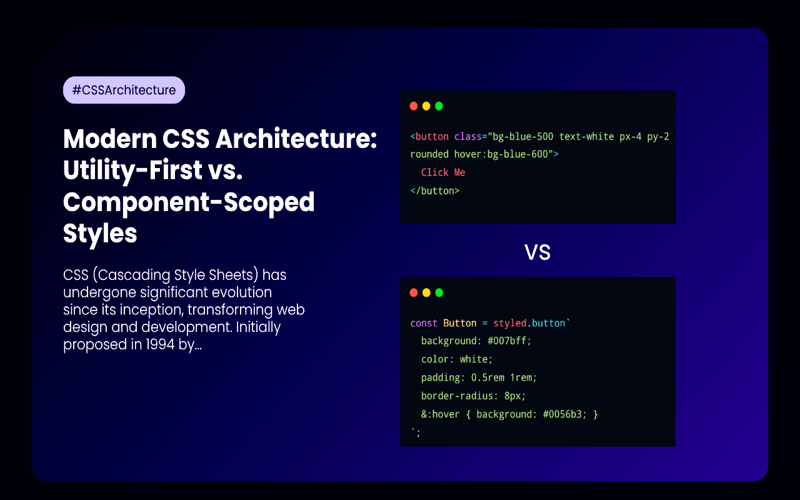
When it comes to Tailwind CSS vs Bootstrap, the choice between these two popular CSS frameworks has sparked endless debates among developers in 2026. While Tailwind CSS offers a utility-first approach that emphasizes flexibility and customization, Bootstrap relies on a component-first strategy, giving developers a rich library of pre-designed elements to work with. This CSS frameworks comparison reveals that each framework has its strengths and weaknesses, making it crucial to assess your project requirements before making a decision. Tailwind CSS is ideal for those seeking complete control over their design system, while Bootstrap is perfect for those needing rapid development with minimal setup. As the landscape of web development evolves, understanding these differences will help you choose the most suitable framework for your next project.
Navigating the world of front-end development often leads to a discussion about Tailwind CSS and the Bootstrap framework, each representing distinct methodologies in crafting web applications. Tailwind employs a utility-first CSS strategy, allowing developers to compose designs from fundamental classes, fostering a higher degree of customization. Conversely, Bootstrap adopts a component-first CSS approach, providing ready-to-use components that streamline the building process for quick UI setups. As developers face diverse project needs, evaluating these frameworks based on their features is paramount to optimizing workflow efficiency and achieving desired aesthetics. Ultimately, knowing when to use utility-first or component-first styles can significantly impact the success of modern web projects.
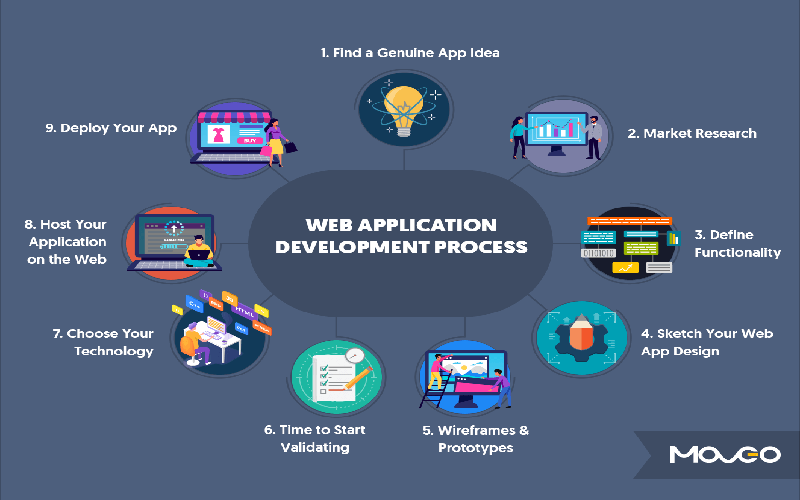
The Evolution of CSS Frameworks
In 2026, the debate between Tailwind CSS and Bootstrap has become more pronounced, highlighting how each framework caters to different philosophies in web development. Tailwind CSS promotes a utility-first approach, which allows developers to craft styles right in their markup, while Bootstrap offers a more traditional component-first method. Each approach has its merits, but the choice largely depends on the nature of the project at hand.
The evolution of these frameworks reflects broader trends in web development, particularly the shift towards component-based architectures facilitated by front-end frameworks like React and Vue. As the demands for customization and performance increase, Tailwind’s utility-first system seems to fit seamlessly into this paradigm, providing developers with more control over their design choices.
Understanding Tailwind CSS
Tailwind CSS, emerging as a front-runner, is characterized by its unique approach to styling. Instead of relying on pre-defined components, it grants developers the flexibility to combine low-level utility classes such as `flex`, `text-gray-700`, and `rounded-lg` to achieve the desired design. This modularity enables the creation of consistent and scalable designs tailored to specific requirements.
However, this utility-first philosophy comes with a learning curve, particularly for those accustomed to semantic approaches like BEM. The initial complexity can deter some developers, but the payoff is significant; once mastered, productivity soars as developers can build their styles directly where they are needed.
The Bootstrap Advantage
Bootstrap, on the other hand, remains an indispensable tool for quick development cycles. Its extensive library of pre-built components ensures that developers can launch projects rapidly without dwelling on design specifics. The framework’s familiarity and robust documentation provide a significant advantage for teams with varying levels of CSS expertise.
Nonetheless, this component-heavy approach can constrain creative freedom. The necessity to override Bootstrap’s defaults for a unique look can lead to cumbersome specificity battles, thereby bloating the CSS file size. Developers must weigh the ease of use against the constraints of conformity that Bootstrap imposes.
Customization and Flexibility in Design
One of Tailwind’s standout features is its unparalleled ability to customize. The `tailwind.config.js` file allows developers to define their design tokens—colors, spacing, and typography—that then translate into utility classes. This level of customization empowers teams to create unique brand identities without the limitations that a component-first approach might impose.
In contrast, while Bootstrap offers some customization through SASS variables, the inherent design choices cannot be easily overridden without considerable effort. This often leads to situations where developers settle for Bootstrap’s design norms rather than creating a bespoke aesthetic, which can be particularly limiting for brands seeking to stand out.
Performance and Optimization
Performance is a critical factor in modern web development, and here Tailwind shines. With the integration of PurgeCSS and its JIT engine, Tailwind ensures that developers only include the CSS they use, resulting in minimal file sizes—generally floating between 5 to 20KB. This contrasts sharply with Bootstrap’s heftier bundle, which can run upwards of 150KB when uncompressed, leading to potential performance bottlenecks.
This advantage is especially crucial for production builds where load times can significantly impact user experience. Thus, when optimizing for performance, Tailwind takes the lead, providing developers with an efficient and streamlined option.
The Role of Community and Ecosystem
Despite their differences, both frameworks boast vibrant communities. Bootstrap’s larger, mature user base ensures that resources, themes, and solutions are readily available, making it an ideal choice for developers seeking immediate answers. On the flip side, Tailwind’s community is burgeoning, with a significant influx of new projects gravitating towards the utility-first approach.
As the web development landscape continues to evolve, Tailwind’s momentum positions it well for the future. Developers are beginning to favor the flexibility and performance of Tailwind, while still recognizing Bootstrap for its rapid development capabilities.
In conclusion, the choice between Tailwind CSS and Bootstrap in 2026 ultimately hinges on your specific project requirements and team dynamics. Here are a few key takeaways to consider when making your decision:
– **Evaluate Project Type:** For client prototypes and admin dashboards, Bootstrap is the preferred choice due to its extensive component library and faster implementation time.
– **Consider Customization Needs:** If your project demands a high level of customization and a distinct brand identity, Tailwind CSS stands out as it allows for deep customization with utility-first classes.
– **Assess Team Expertise:** Teams with more diverse levels of CSS knowledge may benefit significantly from Bootstrap’s intuitive design, while experienced teams familiar with utility-first models will thrive with Tailwind.
– **Future-Proofing:** As the industry shifts towards component-based frameworks and utilities, Tailwind CSS has gained momentum and is likely to remain relevant and powerful in future web development trends.
Ultimately, both frameworks serve valuable roles in web development, making it essential for developers to understand their unique benefits. To summarize:
– **Design Flexibility:** Tailwind offers unparalleled flexibility for creating bespoke designs, making it suitable for custom-built applications where branding is crucial.
– **Component Availability:** Bootstrap excels with its built-in components that simplify and speed up the development process, ideal for quick prototypes or standard applications.
– **Performance Efficiency:** Tailwind’s advanced optimization features result in significantly smaller production bundles compared to Bootstrap, which can carry excess code unless customized.
– **Learning Path:** Developers should focus on mastering Tailwind for more complex, modern web applications while maintaining a foundational knowledge of Bootstrap for quick turnaround projects.
In the evolving landscape of web development, understanding how to leverage both frameworks may provide teams with a competitive edge.