

In today’s digital landscape, website accessibility tools are essential for ensuring that everyone can navigate and engage with online content effectively. These tools help identify barriers that may prevent individuals with disabilities from accessing vital information and services on the web. By utilizing free accessibility tools and accessibility evaluation tools, website owners can easily check website accessibility and adhere to recommended standards. Furthermore, tools that assist in WCAG compliance offer detailed insights to help optimize web content for all users. Investing in a website accessibility checker not only aids in meeting legal obligations but also fosters an inclusive online environment for everyone.
When discussing tools that enhance web accessibility, alternative terms such as “digital inclusivity resources” or “online accessibility evaluators” come to mind. These resources play a crucial role in breaking down the barriers that hinder individuals with disabilities from fully engaging with digital content. By integrating efficient digital inclusivity resources into their strategies, website owners can effectively audit their platforms against established guidelines collaborative with user-friendly interfaces. Such comprehensive evaluations ensure compliance with standards that facilitate equitable access for all users. Just as the concept of universal design promotes usability for everyone, employing online accessibility evaluators reinforces a commitment to inclusive design in the digital realm.
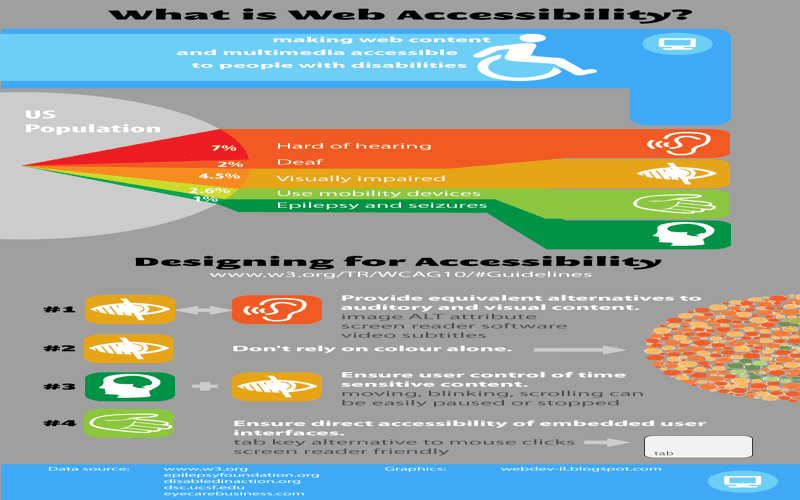
The Imperative of Web Accessibility
Website accessibility is no longer an optional feature for businesses or organizations; it is an ethical responsibility mandated by legal frameworks across many nations. The consequences of neglecting accessibility can be significant, impacting not only the user experience but also exposing organizations to potential lawsuits and public backlash. In essence, ensuring accessibility is about making a commitment to inclusivity, valuing the voices and needs of all users. As Tim Berners-Lee famously stated, the power of the Web is in its universality, highlighting that every individual, regardless of disability, deserves a seamless online experience.
Moreover, accessible websites can open up additional revenue streams for businesses. The spending power of people with disabilities is substantial, and companies that ensure inclusive digital practices can tap into this market. From visually impaired users benefiting from screen readers to those with mobility challenges easily navigating web pages, the potential for reaching broader audiences is undeniable. Failing to prioritize accessibility may mean losing out on a significant customer base.
Understanding Accessibility Principles
To effectively utilize accessibility tools, website owners must first understand the foundational principles established by the Web Content Accessibility Guidelines (WCAG). The four core principles—Perceivable, Operable, Understandable, and Robust—serve as a framework for evaluating digital content. Perceivable information ensures that all users can access the content provided, whether through visual or auditory means. Operable interfaces mean that all navigational and interactive elements can be easily utilized, while Understandable components ensure clarity in information dissemination. Finally, Robust content guarantees that the website can adapt to future technologies.
These principles reflect a fundamental truth: websites must be designed with the user experience in mind. By adhering to WCAG guidelines, developers and content creators can ensure that everyone, including individuals with varying disabilities, can understand and engage with their websites. This commitment to inclusivity enhances the overall quality of the web and fosters an environment where all individuals can participate confidently.
Innovative Tools for Evaluation
Fortunately, there are numerous free tools available to assist in the evaluation of website accessibility. Tools like WAVE and Google Lighthouse enable users to assess their sites against WCAG criteria, providing invaluable insights into areas needing improvement. WAVE, for instance, uses visual cues to indicate where accessibility issues occur, while Google Lighthouse generates detailed reports that prioritize recommendations based on best practices.
Moreover, tools like AChecker and Axe offer multi-standard checks and seamless integration into existing workflows, making them vital for developers who aspire to maintain compliance continuously. These resources democratize access to accessibility checks, empowering even the smallest organizations to create websites that adhere to necessary standards. By relying on these innovative tools, website owners can ensure a more thorough evaluation process, fostering inclusivity and reducing the potential for oversight.
The Role of Comprehensive Testing
While automated tools provide a robust starting point for assessing accessibility, it’s crucial to complement them with comprehensive, manual testing methods. Keyboard navigation, user involvement, and real-time feedback from individuals with disabilities are essential for identifying nuances that automated tools may overlook. Accessibility is not only about compliance but ensuring genuine user experience for everyone.
Involving users with disabilities in testing can yield crucial insights that developers might miss. For instance, someone using a screen reader can pinpoint specific areas where the experience falters, providing direct feedback that can drive targeted improvements. This hands-on approach builds a more accurate and respectful understanding of the needs at play, ensuring a commitment to continuous improvement and genuine inclusivity.
Implementing Recommendations for Change
After site evaluations, the true challenge lies in implementing the recommendations provided by these tools. Accessibility changes often require collaboration across teams—designers, developers, and content creators must unite to weave accessibility into the fabric of website development. It’s not merely about ticking a box; it’s about honoring a commitment to inclusivity at all stages of the design process.
Additionally, accessibility should be viewed as an ongoing effort rather than a one-time fix. Regular testing, continuous learning, and incorporating user feedback must become integral to a company’s culture. This shift fosters accountability and encourages teams to innovate, leading to more accessible and user-friendly digital environments.
Conclusion: Embracing Accessibility as a Practice
In conclusion, the integration of free accessibility evaluation tools serves as a fundamental step toward creating inclusive web experiences. Organizations willing to invest time and resources into understanding and improving their accessibility are likely to reap the benefits, both in user engagement and compliance with legal standards. As the landscape of the internet continues to evolve, so too must our approach to accessibility.
Accessibility is not an end goal; it’s a journey that requires commitment, innovation, and a willingness to adapt. By sharing experiences and continuing the conversation about accessibility, we can foster a culture of inclusivity that ultimately enhances the user experience for everyone. Are your testing strategies up to date? What steps have you taken to honor the commitment to accessibility?

In conclusion, investing time and effort in utilizing free website accessibility evaluation tools can dramatically improve the overall inclusivity and usability of your site. By adhering to accessibility guidelines and incorporating feedback from these tools, website owners can ensure that they not only comply with legal obligations but also create a positive user experience for all visitors. Here are key takeaways to remember:
– Accessibility is a fundamental right for all users, contributing to a more equitable internet.
– Regular evaluations using tools like WAVE, Google Lighthouse, and Axe can pinpoint and resolve accessibility issues effectively.
– An approach combining automated tools with manual testing and user feedback develops comprehensive accessibility solutions.
Furthermore, the significance of website accessibility extends beyond compliance; it enhances the reputation of your organization as a socially responsible entity. As we move towards a more digital society, fostering an inclusive online environment is critical for engagement and retention of a diverse audience. As you continue your journey towards an accessible web, keep these points in mind:
– Continuous learning and adaptation to accessibility standards will ensure long-term usability.
– Encouraging participation from users with disabilities in testing provides invaluable insights that automated tools may overlook.
– Making accessibility a priority not only opens your website to more users but also aligns with ethical business practices.