

Imagine pouring months of effort into developing a financial app, only to watch your users drop off after just a few weeks. This happens all too often when teams prioritize flashy features over a user-focused design. When we chase the promise of the next big feature without first establishing a solid foundation—what I like to call “bedrock”—we risk creating products that don’t genuinely resonate with the people who use them. Think about it: have you ever used a financial app that felt more like a chore than a tool? The key to longevity lies not in cramming every idea into the first release but in honing in on the core functionalities that provide real, day-to-day value. This is where embracing a Minimum Viable Product (MVP) mindset becomes crucial.
As product builders, we often find ourselves caught in the alluring cycle of feature addition, driven by internal demands rather than genuine user need. How can we break this cycle and instead focus on iteration in product development that yields lasting success? Start by identifying and refining a single, essential feature that aligns with your users’ goals and then build everything else around that bedrock. This approach not only creates a more cohesive user experience but also sets the stage for making informed decisions about future enhancements based on actual user feedback, helping ensure your product remains relevant and engaging in a cluttered market.
The Risks of Prioritizing Features Over User Needs
At the outset of any product development journey, the allure of adding flashy features can be overwhelming. Product teams often chase the latest trends, believing that the shiny new functionalities will drive user engagement. However, this mindset can lead to products that are more reflective of internal aspirations than actual user needs. For instance, when teams push to integrate a myriad of advanced features into a financial app, they may inadvertently complicate the user interface, ultimately turning users away instead of drawing them in.
Consider the scenario where a banking app includes options for budgeting tools, investment tracking, and even loan applications, all visible on the homepage. While it sounds appealing, this feature-laden approach could clutter the user experience. Instead of delighting users, it may overwhelm them. Successful product development pivots on the ability to discern which features genuinely enhance the user experience and which ones simply add to the product’s complexity.
The idea of a Minimum Viable Product (MVP) comes into play here as a potential remedy. An MVP focuses on getting the essentials right without diverging into tangential features. By honing in on the core functionality—like a streamlined balance checking feature—teams can gather real user feedback before iterating further. Distilling a product down to its MVP allows for a clearer understanding of what adds real value.
Understanding ‘Bedrock’ in Product Development
Have you ever thought about what keeps a product grounded? In the context of product development, the term ‘bedrock’ refers to those essential features that not only provide value but also maintain relevance as user needs evolve. This approach can set the foundation for long-term success. For example, in the realm of financial apps, the capability for users to easily access and manage their account information serves as this bedrock. It’s not about how much you can offer but how well you can serve customers’ fundamental needs.
To achieve this state of bedrock, a renewed focus on user-focused design is imperative. Instead of expanding the app’s functionalities further, teams should strive to simplify existing features. For example, if a user regularly checks their account balance, then ensuring this feature is intuitive and reliable can create a strong bond with the user. Regular servicing journeys, such as bill payments or transaction verifications, should be seamless—that’s the cornerstone of user loyalty.
This concept also highlights the importance of continual iteration. The bedrock of a product isn’t static; it requires ongoing attention and refinement. By regularly collecting user feedback and adapting the product, development teams can ensure they are staying aligned with user expectations. Testing frequently with actual users can inform whether a feature remains relevant and effective.
Practical Steps to Ensure Longevity in Financial Products
Navigating the product development landscape successfully means aligning your objectives with actionable strategies. To build financial products that not only meet but exceed user expectations, start by pinpointing a clear problem to address. Without this foundational clarity, efforts may flounder. Ask yourself, what specific pain points are you tackling? Once you have a defined purpose, it can guide every aspect of your development process.
A pivotal strategy lies in zeroing in on a core feature and refining it relentlessly. Rather than inundating users with multiple functions all at once, take the time to perfect one distinctly valuable feature. For instance, rather than attempting to launch an all-encompassing financial suite, focus first on an intuitive expense tracker that users find indispensable. Upon mastering that, the pathway to iterative improvements opens.
Moreover, embrace the principle of simplicity throughout the design and development phases. Excessive features can erode user trust and complicate usability. Cutting down to what’s necessary can reveal pathways to higher user satisfaction and retention. Finally, harness the power of iteration in product development. Continuously engage with end-users, solicit their feedback, run controlled tests, and adapt accordingly; this cycle not only shapes the product but strengthens its viability in the competitive market.

Frequently Asked Questions
What is a Minimum Viable Product (MVP) and why is it important in product development?
A Minimum Viable Product (MVP) is a product version that includes only the essential features necessary to meet the needs of early users and validate a product idea before full-scale development. This approach allows product teams to gather user feedback, iterate quickly, and avoid the pitfalls of feature bloat that can occur when too many features are added at once.
How can I ensure my financial app features are user-focused?
To create user-focused financial app features, start by defining a clear problem that you want to solve for your users. Conduct user research to understand their needs and preferences, and continuously test and iterate your features based on user feedback. This iterative process ensures that you are building functionalities that genuinely enhance the user experience, rather than just adding features for the sake of it.
What role does iteration play in developing financial products that stick?
Iteration is crucial in developing financial products that resonate with users. By continuously gathering user feedback and making improvements, you can refine your product to better align with user needs. This approach not only enhances user satisfaction but also helps in identifying the core value propositions that constitute the ‘bedrock’ of your product, ensuring long-term engagement and loyalty.
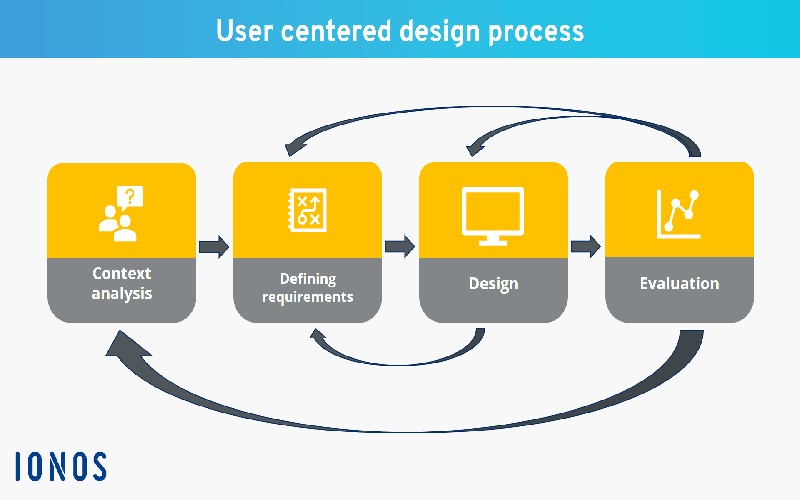
- Start with a clear purpose: Define the problem you’re addressing and ensure it aligns with your company’s goals before diving into development.
- Focus on a singular core feature: Resist the urge to overload your product with too many functions at once; hone in on a standout functionality that delivers genuine value.
- Embrace simplicity: Sometimes, less is more. Removing unnecessary frills can help maintain a clear focus on what users truly need, leading to a more intuitive product experience.
- Adopt a mindset of continuous iteration: Recognize that reaching that bedrock state is an ongoing journey rather than a one-off achievement; be open to refining your product based on user feedback.
- Engage in active testing: Rather than just relying on feedback collected during delivery, seek out user insights in real-world scenarios and adjust your product based on those observations.
- Clarify your mission: Before launching into product features, ensure there is a solid understanding of the problem your product addresses and for whom it’s designed.
- Zero in on one key feature: Prioritize perfecting a single, high-value function before considering any additional features to avoid creating a cluttered user experience.
- Keep it straightforward: Simplifying your product can significantly enhance user engagement, as customers are often overwhelmed by complexity.
- Iterate relentlessly: Achieving a stable and valuable product involves ongoing refinement; embrace feedback to continually improve the user experience.
- Seek user input consistently: Regularly engage with actual users to test your product in diverse contexts, making it a priority to listen to their experiences and insights.
- Establish a definitive ‘why’: Articulating the core issue your product addresses helps guide every step of the development process and keeps the team aligned with overarching objectives.
- Concentrate on nailing down one feature: By devoting focus to a specific standout feature, you create a robust foundation for future developments without getting sidetracked.
- Simplicity triumphs over complexity: Users appreciate a straightforward approach that caters to essential needs without unnecessary embellishments.
- Promote an iterative approach: Continuously assess and refine your product to adapt to changing user expectations and needs, striving for that essential bedrock state.
- Incorporate feedback loops: Developing a habit of testing with real users enriches the product’s evolution, leading to improved satisfaction and usability.