Imagine a visually impaired user trying to make sense of a bustling image-filled website. Could artificial intelligence accessibility intervene at this moment with practical solutions? As tools evolve, AI for disabilities holds the promise of enabling better user experiences through enhanced alternative text generation and context-aware insights. Projects that leverage AI inclusivity can tailor support for this user, converting complex visuals into understandable data, thereby breaking down information barriers that have persisted for too long. The key isn’t just in deploying advanced technologies but ensuring they are driven by diverse perspectives that actively involve and uplift disabled users.
Consider a world where algorithms routinely match job seekers with varied disabilities to workplaces that truly cater to their strengths and preferences. This vision isn’t far-fetched, thanks to innovations in accessible technology that harness artificial intelligence to transform the job market. Initiatives like Mentra exemplify how AI can facilitate an equitable hiring process by analyzing nuanced details of both candidates and employers, fostering environments where everyone can thrive. As we navigate these changes, the focus on AI for disabled users must remain dynamic and inclusive to build systems that reflect the rich diversity of human experience.
Harnessing AI for Image Descriptions
AI for disabilities in the realm of image recognition might sound straightforward, but there’s a lot more complexity beneath the surface. When it comes to generating alternative text, the potential for AI to improve accessibility is significant, yet it’s equally fraught with challenges. The current technology struggles to provide rich, contextual descriptions because it often analyzes images in isolation. A photo of an outdoor scene that includes people, trees, and buildings gets far less context than it deserves when looked at individually. Therefore, the AI fails to adequately describe the image’s essence and nuances.
One way forward is weaving human feedback into the AI process more effectively. Imagine if every time an AI generated a description, users could suggest adjustments. For example, if a user corrected an alt text line, the model would learn and improve. Coupling this with models that can discern between informative images and decorative ones could streamline this process. By reducing emotional labor for content creators, those developing accessible technology can enhance the overall user experience, making websites richer and more inclusive.
The Role of Matching Algorithms in Employment
Have you ever considered how algorithms can either hinder or enhance the job-seeking process for people with disabilities? Platforms like Mentra exemplify this shift by leveraging matching algorithms to create a more equitable hiring landscape. Their system considers diverse factors ranging from job seekers’ strengths to the specific accommodations they may require. This nuanced approach reduces the emotional burden often faced by job seekers, flipping the conventional matchmaking process where employers typically have the upper hand.
Furthermore, the potential for these algorithms to be developed collaboratively with neurodivergent individuals ensures that the tools are crafted by those who truly understand their needs. This approach doesn’t just enhance algorithmic efficiency but fosters a hiring environment where diversity is celebrated. Imagine if job platforms could suggest roles not only based on skills and experiences but also on cultural fit and workplace dynamics tailored to support inclusivity. It’s a compelling vision that could reshape employment opportunities for many.
Innovations in AI to Elevate Accessibility
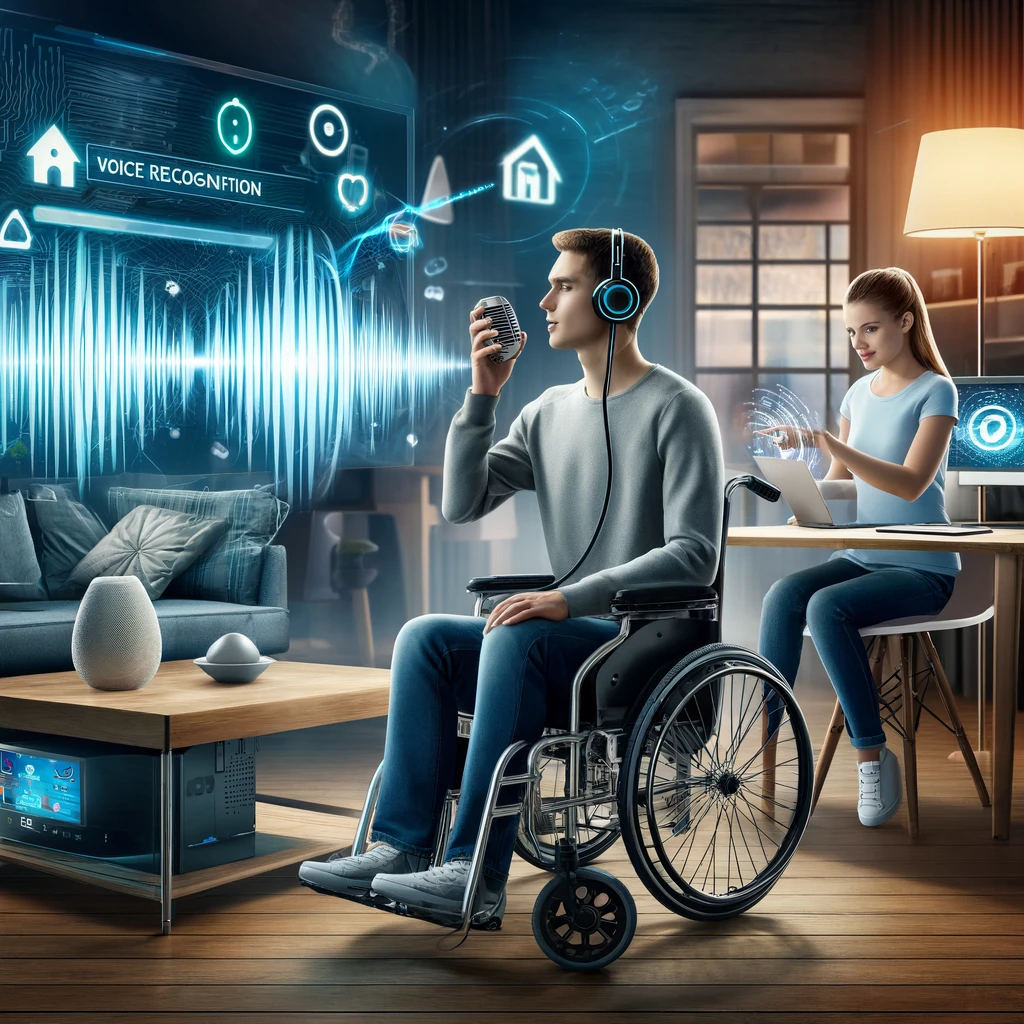
From voice recognition to text transformation, AI offers a vast landscape of innovative possibilities for enhancing accessibility. For instance, AI-driven voice synthesis technologies hold the promise of enabling individuals with speech impairments to preserve and replicate their unique voice. This technology allows users to communicate in a way that resonates personally, rather than relying solely on generic voice models. Companies are actively exploring these options, making strides toward a more personalized user experience that values individual expression.
In addition to voice synthesis, LLMs can play a transformative role in simplifying complex texts. This capability is especially beneficial for users with cognitive disabilities, who may struggle with intricate language. By harnessing AI to provide concise summaries, modifications for clarity, or even implementing techniques like Bionic Reading, we can shift towards a future where information is accessible for all. These tools could empower users to interact with content more meaningfully, transforming their engagement with technology and enriching their day-to-day interactions.

Frequently Asked Questions
How can artificial intelligence improve accessibility for people with disabilities?
Artificial intelligence can enhance accessibility by offering tailored solutions, such as voice recognition systems to assist users with speech impairments, AI-powered alternative text generation for images, and systems that adapt content according to users’ cognitive needs. These technologies help create more inclusive digital environments and improve user experiences for disabled individuals.
What is the role of diverse teams in developing AI for accessibility?
Diverse teams play a crucial role in developing AI for accessibility as they bring varied perspectives and lived experiences into the design and training of AI systems. This inclusion ensures that AI solutions are free from bias, recognize the unique needs of disabled users, and provide accurate, respectful content that caters to all users.
What are some examples of AI using accessible technology for the deaf or hard of hearing?
AI can enhance experiences for the deaf or hard of hearing through real-time transcription services, automated captioning for videos, and sign language recognition systems. These technologies help ensure that individuals can access audio content and engage effectively in conversations, fostering inclusivity in various environments.
– Explore the potential of AI in generating alternative text for images to improve accessibility. While current computer-vision models struggle, there is an opportunity for AI to offer preliminary alt text and help identify which images need descriptions based on context.
– Consider how AI can enhance the accessibility of complex data visualizations like charts. With proper guidance, users could interact with these visuals, asking specific questions or requesting simpler formats that accommodate various needs.
– Acknowledge the transformative power of matching algorithms in creating more inclusive job search experiences. For example, networks tailored for neurodivergent job seekers can use AI to connect candidates with suitable employers while considering individual strengths and needed accommodations.
– Recognize the critical role of diverse teams in AI development. When people with disabilities contribute to algorithm design, it can prevent harmful biases and create more inclusive applications.
– Discover how AI can empower individuals through innovations like voice preservation, which enables people with speech impairments to maintain their unique vocal identity, and voice recognition technologies that include diverse speech patterns.
– Imagine the potential of text transformation AI tools that produce easier-to-read summaries or tailored formats for individuals with cognitive disabilities. These advancements can make information more digestible and accessible.
– Emphasize the need for inclusive data sets to ensure AI training reflects the realities of diverse users. Including the voices of those with disabilities in the data collection process fosters equitable and respectful AI outcomes.

As you dive deeper into the intersection of AI and accessibility, it’s worth considering how these technologies can be thoughtfully designed to genuinely enhance inclusivity.