
Imagine receiving a request to help a client transition their website from a previous developer who, by all accounts, left them in a lurch. How do you maneuver this delicate territory where professionalism meets complex emotions? In the web development realm, understanding how to manage the client-developer relationship during such transitions is crucial. You’re not just taking over a project; you’re stepping into the shoes of someone whose work was once deemed unsatisfactory, which can lead to potential biases from the client. Navigating this complex dynamic requires clear communication, a focus on best practices, and, most importantly, an unwavering commitment to professionalism.
But before you hastily share credentials or project files, consider the critical importance of establishing a solid foundation with both your client and their previous developer. Whether it’s a clean handoff of assets or addressing any lingering financial obligations, the art of transitioning between developers can set the tone for your future working relationship. It’s not just about swapping access codes; it’s about cultivating trust while managing delicate situations that could easily turn sour. By approaching these transitions with a checklist of do’s and don’ts, you can ensure that you’re protecting your client’s interests while paving the way for a smooth development process.
Maintaining Professionalism in Transitions
Working with developers during a transition period often demands a level of professionalism that some might struggle to uphold, especially when emotions run high. Clients may have a negative perception of their previous developers, leading to anecdotes that can cloud judgment. It’s key to remember that every story has two sides, and engaging in gossip can damage your reputation. By opting to maintain a cordial demeanor, you build a foundation of trust not just with the client, but also with the previous developer.
For instance, when I took over a project from another agency, I encountered a stark portrayal of their work. However, instead of adding fuel to the fire, I chose to keep the dialogue constructive and focused on how we could move forward. This approach not only enhanced my relationship with the client but also made for a smooth integration process that benefited everyone involved.
Ensuring Payment Before Transitioning Work
It seems like a straightforward concept, yet many developers overlook the necessity of securing payment before diving into a new project. Transitioning between developers can be fraught with complications, especially if the outgoing client has a history of delayed payments. Before committing to any task, install a payment protocol that makes financial obligations clear. This means drafting a concise agreement that specifies payment terms upfront.
In practice, I once had a client who was hesitant to pay an outstanding balance, arguing about wanting the transition to be seamless. Cautiously, I laid down terms and conditioned any further cooperation on settling their debts. They eventually agreed, highlighting the importance of preventing potential financial loss due to careless negotiation.
A simple invoice snippet might look like this:
`Invoice #1234`
`Due Date: MM/DD/YYYY`
`Services Rendered: Initial Developer Transition`
`Total Amount Due: $XYZ`
Introducing clarity in your financial dealings fosters a sense of accountability from clients even before you offer your technical expertise.
Navigating the Sharing of Sensitive Information
How careful are you when it comes to sharing sensitive information during a developer transition? With logins and credentials in play, this process often feels like a jigsaw puzzle that’s missing critical pieces. The urge might be strong to provide access to all accounts in one go, but doing so could expose you to significant risks. Mismanagement of sensitive data is not only unprofessional; it’s also detrimental to all parties involved.
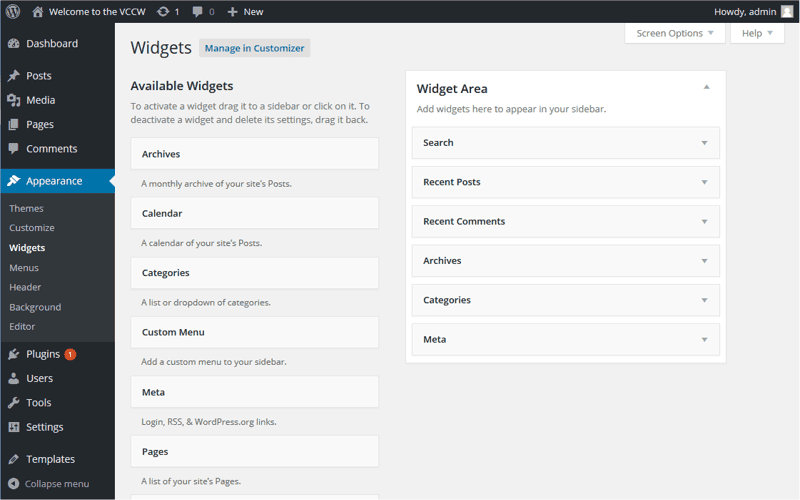
When I transitioned a client to a new developer, I took the time to create dedicated accounts instead of sharing my admin credentials. This simple step not only kept my account secure but also limited access to only what was necessary for the other developer. For instance, if transferring a WordPress site, I would create a new user with administrator privileges specifically for the client and delete my account once the transition was complete. This level of caution is critical when you consider future implications for both your work and the client’s security.
Turning Transitions into Learning Opportunities
Transitions can often feel like a necessary evil, one fraught with potential misunderstandings and client frustrations. Yet, if you shift your mindset, these chaotic moments can morph into valuable learning experiences. Each handoff is not merely a transition but a unique case study in managing the client developer relationship.
For instance, adapting to various client personalities and their past experiences with developers enriches your understanding of project management. As you navigate through the upheaval, consider what worked and what didn’t. What effective communication tactics did you employ? In the case of one turbulent transfer I handled, the client’s expectations clashed with the realities of their site’s needs, shedding light on how crucial transparency is during such adjustments.
Reflecting on these experiences allows you to refine your process for future engagements. Each project illuminates aspects of managing client developers, offering insights that can streamline subsequent transitions.

Frequently Asked Questions
What should I do if my client wants to transition to a new developer but hasn’t paid their outstanding invoices?
Ensure that you have an agreement in place stating that payment must be received before any collaboration with the new developer can occur. This protects your interests and encourages clients to settle their debts before the transition.
How can I maintain a professional relationship when transitioning between developers?
Keep communication clear and respectful, avoiding negative remarks about the previous developer. Document processes and share necessary information promptly to create a smoother transition, which reinforces a positive client-developer relationship.
What are the best practices for managing client developers during a site transition?
During a transition, prioritize clear communication regarding technical requirements and ownership of assets. Establish boundaries on the information shared, such as creating new accounts for access rather than sharing your credentials to protect both client and developer interests.

• Maintaining professionalism is crucial during transitions between developers. Clients may have their opinions about previous developers, which could be biased; therefore, it’s essential to stay neutral and not get emotionally involved in the situation.
• Before proceeding with any work, ensure that you have been compensated. This prevents dependency on a client’s future payments and establishes clear expectations about the completion of outstanding invoices.
• Exercise caution when sharing sensitive information such as login credentials or access rights with the new developer. It’s wise to limit access to what’s essential by creating new accounts or permissions, ensuring the client’s data remains secure.
• Embrace the reality that transitions are a common aspect of web development. Approaching these situations with a problem-solving mindset helps to navigate the complexities involved, turning potential frustrations into opportunities for growth.
• Focus on learning from each transition experience. Every new client relationship teaches valuable lessons that enhance your ability to manage future projects and client dynamics more effectively.