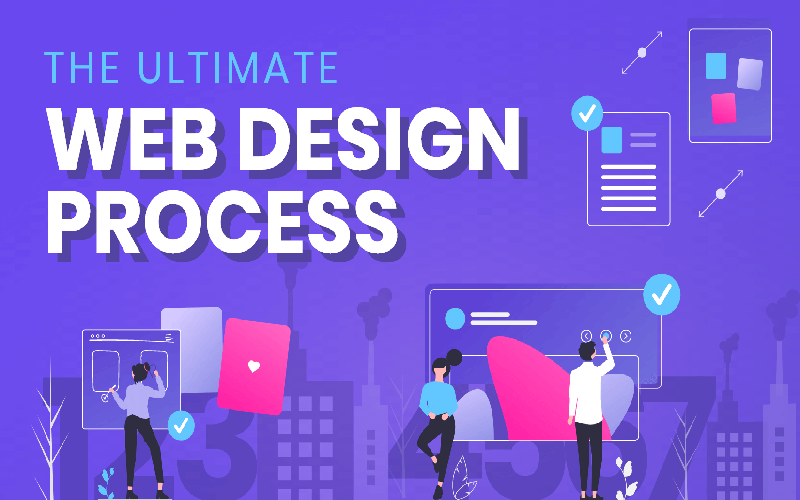
Web design forms the backbone of your brand’s digital identity, capturing the essence of what you represent in a visually compelling way. In this fast-paced online world, a well-crafted website serves as your digital storefront, inviting potential customers into your virtual space. As technology evolves, the significance of web design escalates, becoming crucial for user engagement and brand loyalty. With deft navigation and aesthetic appeal, web design enhances your online presence, making it imperative for businesses to invest in this vital tool. Let’s delve into the synergy between web design and successful branding, where every pixel counts towards securing a lasting impression.
Often referred to as website aesthetics, online interface artistry, or digital blueprinting, the term ‘web design’ encompasses a world where creativity meets functionality. Within this realm, designers weave visual narratives that reflect brand ethos and connect with audiences on an emotional level. By focusing on the user experience, intuitive layout, and engaging content, the art of online platform crafting transforms mere visitors into loyal customers. Thus, as we navigate the vibrant landscape of digital creation, the terminology may vary, but the impact of adept web design remains profoundly significant.
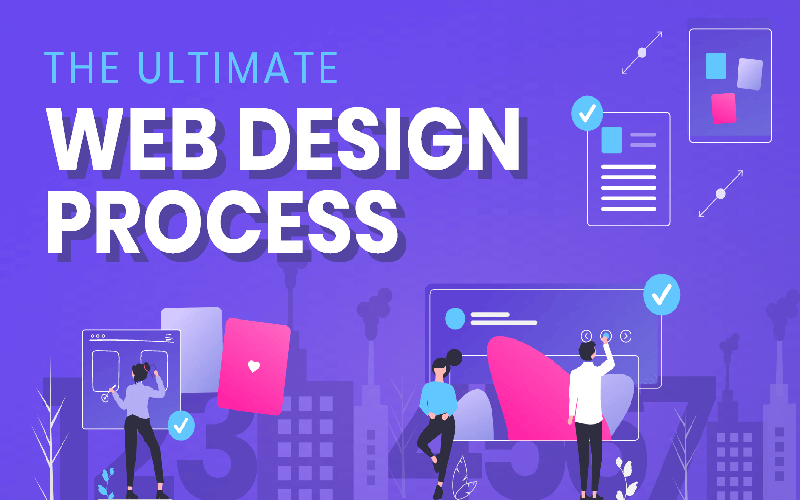
Why Web Design Matters
In the modern realm of business, web design is the gateway to attracting potential clients. Think of it as your digital handshake; a welcoming smile can open doors, while a cold shoulder shuts them fast. Studies reveal that a mere 0.05 seconds is all it takes for an online visitor to determine if they like what they see. Your site isn’t just a pretty face—it’s the embodiment of your brand’s values and promise, capable of instilling confidence or prompting hesitation.
Moreover, a carefully crafted web design can transform mere visitors into loyal customers. For instance, a site overflowing with life, color, and interactive elements can draw in users like bees to a flower. It portrays a narrative, creating engagement that transcends simple browsing. Ultimately, effective web design is not just about appearance; it’s about creating a memorable experience that invites users to stick around.
Elements of Effective Web Design
Diving deeper into web design, the elements that comprise a stellar site are as crucial as its overarching structure. A well-executed visual hierarchy establishes where the viewer’s eyes should land first, guiding them seamlessly through your content. This principle can elevate your call-to-action buttons from mere text to powerful invitations that demand attention. Opt for bold patterns, vibrant hues, and strategic placements to captivate your audience.
Alongside the visual edge comes navigation—often overlooked but vital. Imagine a labyrinth where every turn leads to frustration; that’s what bad navigation feels like on a website. Clear menus, consistent icons, and logical pathways lead users toward what they seek effortlessly. When visitors can navigate intuitively, they not only stay longer but are more likely to convert, transforming casual clicks into firm commitments.
SEO and Web Design: A Symbiotic Relationship
The intricate dance between SEO and web design is one of necessary collaboration. A beautifully designed site can only flourish if it is visible to the world, and this is where SEO steps in. Blending engaging visuals with optimization techniques creates a platform where aesthetics meet functionality. For example, fast loading times not only add to user satisfaction but also enhance search rankings, making your site a double-threat in the crowded online marketplace.
In today’s mobile-centric world, embracing responsive design is no longer optional; it’s essential. Google’s algorithms prioritize mobile-friendly sites, practically anointing them as kings of the search results. By ensuring your web design resonates across devices—smooth transitions, accessible layouts—you enhance both user experience and SEO health. This harmony between design and searchability is crucial for capturing and retaining an audience in the vast digital landscape.

In conclusion, web design is a fundamental aspect of establishing and enhancing your brand’s online presence. The way a website is designed plays a crucial role in first impressions, user engagement, and overall brand perception. Key points to consider include:
– **First Impressions**: A professionally designed website establishes credibility and builds trust with potential customers from the moment they land on your page.
– **Brand Identity**: Consistent use of design elements like colors, fonts, and imagery helps convey a cohesive brand story, strengthening recognition and loyalty.
– **User Experience**: A focus on intuitive navigation and mobile responsiveness substantially improves user experience, encouraging visitors to stay longer and engage.
– **SEO Integration**: Well-designed websites automatically benefit search engine optimization, ensuring both visibility and accessibility in the competitive online landscape.
Ultimately, investing in quality web design is akin to investing in your brand’s long-term success. Effective web design does not merely attract visitors; it converts them into loyal customers by providing both aesthetic pleasure and functional ease. Consider the following takeaways:
– **Visual Hierarchy and CTAs**: Implementing a clear visual hierarchy and compelling calls to action can significantly enhance user interaction and increase conversion rates.
– **Quality Content Engagement**: High-quality content paired with strategic design keeps users engaged and encourages them to return, further bolstering your brand’s reputation.
– **Brand Loyalty**: A well-crafted online experience fosters trust and loyalty, leading to repeat business and passionate brand advocates.
– **Future Growth**: Prioritizing web design today lays the groundwork for future opportunities and growth in the digital marketplace. Take action now to elevate your online presence and reap the benefits.