
User-Centered Web Design is the cornerstone of a successful digital strategy, as it focuses on crafting experiences that resonate with end-users. In an era where first impressions are quick and often unforgiving, emphasizing UX design in website design is paramount. A well-executed user experience not only captivates visitors but also significantly boosts conversion rates, ultimately leading to business success. This approach leverages the principles of digital marketing to ensure every interaction with your site is both intuitive and compelling. By prioritizing user needs and desires, you can optimize your website in a way that directly enhances your brand’s reputation and engagement.
At its core, user-focused digital design revolves around the notion of tailoring online platforms to meet the specific aspirations of users. This approach, often referred to as empathetic website development, seeks to craft environments where users feel acknowledged and catered for. Through meticulous site design that champions the user experience, brands can elevate customer contentment and retention. As businesses navigate the complexities of online interaction, adopting a mindset that centers on the user’s journey can yield remarkable outcomes in both trust and loyalty. Thus, incorporating these principles is not merely advantageous but essential for maintaining relevance in a competitive marketplace.

The Essence of User-Centered Web Design
User-centered web design is an art form, not merely a practice. It thrives at the intersection of aesthetic appeal and functional prowess, boldly proclaiming the mantra of putting users first. Crafting digital environments that resonate deeply with the audience is the goal; when a user feels like their needs have been prioritized, they’re more inclined to engage, explore, and even evangelize the brand.
Imagine a webpage that not only draws the eye but also coaxes the user into its depths. Every button, every image is placed with intention—even the colors tell a story. This design philosophy embraces a symbiotic relationship with users, fostering an experience where interaction feels effortless. Such an approach isn’t just wise; it’s essential in an age where digital touchpoints can make or break a business.
Transforming User Interaction into Conversion Gold
When a user navigates through a well-orchestrated venture of UCWD, a transition happens: mere exploration transforms into profound interaction. Each element is constructed with the user’s journey in mind, paving a path to conversion that is seamless. Think of it as a dance where every step is choreographed to ensure not a misstep or stumble occurs; this grace fosters confidence, leading users to complete their intended goals, be it shopping or signing up.
In the realm of eCommerce, a streamlined checkout experience acts like a golden ticket, inviting potential customers to cross into the realm of purchase. This invitation, crafted without friction, demonstrates respect for the user’s time, ultimately leading to increased sales. Businesses that adopt this philosophy recognize that every second matters, and they align their digital offerings to convert that fleeting attention into lasting loyalty.
Continuous Evolution Through Feedback Loops
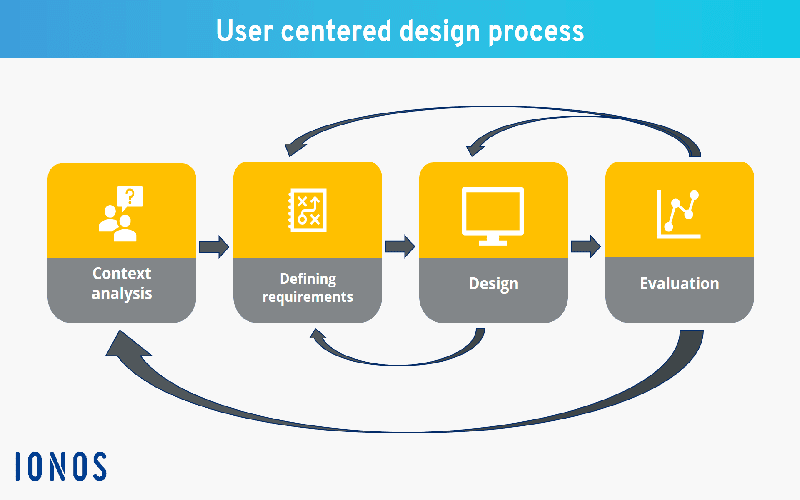
The journey of user-centered design does not end at launch; in fact, it is just the beginning. The canvas of a website should continuously evolve based on user interactions, where feedback serves as the paintbrush influencing every stroke. Engaging users in this dynamic cycle of creation ensures that the digital presence remains relevant and engaging.
To foster this relationship, businesses can deploy user feedback mechanisms, drawing insights like a moth to a flame. Surveys, interviews, and usability tests are the tools of this trade, creating a dialogue that transcends the page. This attentive listening transforms user experiences and expectations into action, allowing brands to refine and enhance their offerings, celebrating the delicate dance between user desire and business success.

In conclusion, the significance of user-centered web design cannot be overstated in the realm of business sustainability and growth. As the digital marketplace continues to evolve rapidly, businesses must adapt by prioritizing user needs and experiences. Embracing a user-centered approach fosters not just immediate gains, but long-term benefits that can set a business apart from its competitors. To emphasize the importance of UCWD, consider the following points:
– **Enhanced User Experience**: Ensures that users find the website intuitive and enjoyable, leading to increased retention and engagement.
– **Increased Conversion Rates**: Simplifies the customer journey, making it easier for users to complete desired actions, directly impacting sales and sign-ups.
– **Brand Loyalty Development**: Fosters a connection with users who feel valued, resulting in repeat customers and positive word-of-mouth.
– **Cost Efficiency Over Time**: Reduces the need for expensive redesigns by addressing user concerns upfront, leading to a more efficient development process.
– **Improved SEO and Accessibility**: Boosts visibility and engagement, making the site accessible to a broader audience, including individuals with disabilities.
– **Competitive Advantage**: Positions businesses as leaders in their field by providing superior user experiences that attract more visitors.
– **Feedback-Driven Growth**: Encourages continual enhancement of the website based on user insights, keeping it aligned with changing needs.
Ultimately, adopting user-centered web design principles is not merely an option; it has become essential for thriving in a digital economy dominated by discerning consumers. The willingness to listen and adapt to the preferences and needs of users leads to a dynamic, resilient online presence that can withstand industry changes. As we move forward in this digital era, businesses that effectively implement user-centered strategies will undoubtedly cultivate deeper connections with their audience. Here are some concluding thoughts to reflect on:
– **Commit to User Research**: Deep understanding of your customers lays the groundwork for effective design decisions.
– **Iterate and Improve**: Always be prepared to evolve your site based on user feedback, ensuring relevancy and satisfaction.
– **Invest in Prototyping**: Visual representations can reveal potential issues before they arise in the final product.
– **Prioritize Accessibility**: An inclusive website not only draws in more users but also enriches the brand image.
– **Cultivate Lasting Relationships**: By focusing on creating a positive user experience, businesses foster trust and loyalty that go beyond mere transactions.