
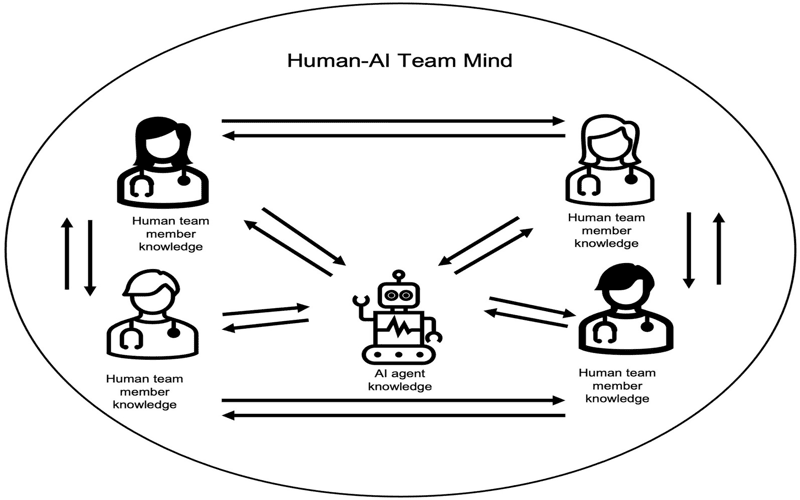
In a bustling tech office, a spontaneous hallway conversation about a recent product launch morphs into an impromptu brainstorming session filled with laughter and creativity. This organic interaction, fueled by informal communication, is what nurtures a team’s trust and drives innovation. Yet, as AI tools increasingly step in to streamline tasks—eliminating the need to ‘bug’ colleagues for information or assistance—these moments are at risk of fading away. While AI’s efficiency in creating prompt solutions and facilitating operations is undeniable, we must critically assess what might be lost in the process: the human connection that forms the bedrock of teamwork.
The stark reality of AI integration is that it inherently changes the dynamics of team interaction. As teams become more reliant on AI for quick fixes, they may inadvertently sacrifice the ‘micro-moments’ of connection that foster empathy and belonging. For instance, what happens to the team culture when the quick Slack message evolves into an AI-generated report? The line that once sparked a rich discussion now leads to sterile outputs, diminishing interpersonal bonds crucial for collaboration. It’s essential to explore how to maintain these vital interactions, harnessing AI’s strengths while ensuring our workplace remains a thriving ecosystem of trust and creativity.
The Vanishing Scaffolding
When teams lean heavily on AI tools, there are significant ramifications on the informal channels that contribute to a robust work culture. By replacing quick asks and casual chats with digital queries, we lose the depth of interaction that fosters relationships. Picture a simple two-minute Slack message morphing into an hour of brainstorming; spontaneous moments like these are increasingly rare in an AI-driven environment.
These seemingly small interactions—like discussing a feature over coffee or sharing quick feedback in passing—often lead to deeper insights and connections. They not only solve immediate problems but also cultivate a sense of belonging and trust. As we shift towards efficiency, it’s crucial to recognize that these valuable exchanges are not just trivial noise; they form the foundation upon which team dynamics are built.
Understanding Psychological Impacts
What do research findings suggest about AI team interactions? Studies indicate a strong correlation between informal communications and team performance—essentially, the more we interact, the better we perform. For example, the MIT Human Dynamics Lab revealed that teams experiencing high volumes of casual conversations enjoyed a remarkable 35% increase in successful outcomes. When we replace these organic dialogues with AI-driven efficiency, we risk undermining this crucial aspect of collaboration.
In the quest for innovation, it might be effective to prioritize ‘micro-moments’—those fleeting exchanges that often go unnoticed. Let’s take Google’s Project Aristotle as a case in point. It concluded that teams nurtured by psychological safety—cultivated through low-stakes interactions—were far more successful than those relying solely on formal meetings. Alienating these touchpoints in favor of AI could backfire, leading to decreased creativity and innovation.
The Consequences of Disconnection
The absence of informal interactions can lead to a stark sense of disconnection among team members. Employees don’t just leave jobs; they leave when they feel isolated. According to research, a lack of belonging ranks high among the reasons people choose to part ways with their employers. With AI taking over tasks and interactions, teams may find themselves losing vital connections that are often the glue holding them together.
Monetarily speaking, the loss of employee engagement has serious ramifications. The Great Attrition studies highlight that disengaged employees can cost companies millions annually due to lost productivity. When teams fail to foster informal bonds, they inadvertently hinder their long-term viability. This isn’t merely an operational risk; it’s a potential financial disaster.
Fostering a Culture of Connection
Rebuilding the scaffolding of trust while utilizing AI tools isn’t just possible; it’s necessary. Implementing strategies that encourage organic interactions is crucial. Think about creating daily or weekly meetings focused on team bonding—be it through a casual morning coffee break or a dedicated time to share creative ideas. By intentionally designing opportunities for connection, teams can maintain their cohesion even while leveraging technology.
Consider the concept of ‘productive friction’ as seen in Steve Jobs’ design of Pixar studios, where employees naturally crossed paths. This physical manifestation of interaction encourages creativity and collaboration. A simple reorganization of workspaces to facilitate accidental encounters could serve to reignite the conversations that are pivotal in any healthy team culture.
Balancing AI and Human Interaction
The focus should be on eliminating toil while preserving the benefits of human contact. For instance, implementing AI to handle repetitive tasks allows team members to reclaim precious time, which can be redirected toward meaningful connections. When AI assists in managing mundane responsibilities, the team can engage more deeply in creative problem-solving and collaborative discussions.
Additionally, incorporating humor in the workplace can transform the culture dramatically. Consider organizing light-hearted competitions where team members create the worst possible user experiences using AI tools. This not only fosters a collaborative spirit but also reinforces the importance of human creativity against the backdrop of AI efficiency. Embracing such initiatives can help sustain a vibrant corporate culture amidst the growing presence of technology.

Frequently Asked Questions
How does AI impact team interactions in the workplace?
AI enhances efficiency by removing simple obstacles in workflows, allowing team members to access information quickly without interrupting colleagues. However, this efficiency can also reduce informal interactions that build trust and foster innovation, ultimately impacting team culture.
What strategies can help maintain human connection while using AI tools?
To preserve team dynamics, organizations can focus on eliminating repetitive tasks with AI, create environments that encourage spontaneous interactions (like Steve Jobs’ Pixar design), and incorporate team-building activities that promote humor and creativity, ensuring that human connection remains strong.
How can teams ensure that AI serves to strengthen trust rather than weaken it?
By consciously integrating AI into workflows while prioritizing interpersonal communication, teams can maintain trust. Regular check-ins, collaborative brainstorming sessions, and informal gatherings can help ensure that AI enhances rather than replaces meaningful human interaction in the workplace.

Artificial Intelligence (AI) tools are transforming workplace dynamics by streamlining interactions and reducing the need for direct communication with colleagues. However, this shift towards a “bug-free” workforce raises concerns about the loss of informal interactions that are essential for building trust and fostering innovation within teams. Conversations that used to revolve around quick questions and casual discussions often evolve into deeper, more valuable exchanges that enhance team cohesion. As a result, while AI may offer immediate solutions, it can inadvertently eliminate the very scaffolding that supports a healthy work culture.
Engaging with AI in the workplace can sometimes diminish team productivity and performance. Research indicates that the informal interactions—such as hallway chats and coffee breaks—are critical drivers of successful outcomes. For instance, studies conducted by institutions like MIT and Google highlight that teams that prioritize informal communication significantly outperform others. These organic connections, which AI can disrupt, are not merely social niceties; they are crucial for fostering psychological safety, a key ingredient for innovation and trust within teams.
Moreover, disconnects created by over-relying on AI can lead to disengagement among employees, as these connections form a vital part of their work experience. Insights from research reveal that a lack of belonging often drives employees to leave organizations, impacting not just morale but ultimately the bottom line. This is evidenced by findings from McKinsey, which underscore the substantial financial implications of high attrition rates, where employee connection is a leading factor.
To navigate the challenges posed by AI, organizations can implement strategies that balance technological efficiencies with the nurturing of human connections. An effective approach includes identifying repetitive tasks suited for automation, thereby freeing up cognitive resources for creative and collaborative efforts. In addition, creating opportunities for spontaneous interactions, reminiscent of Steve Jobs’ design ethos at Pixar, can encourage serendipitous collaborations. Integrating humor and light-hearted activities can also foster a cohesive and enjoyable work environment that strengthens team bonds.
Ultimately, the integration of AI in the workplace should be approached with an understanding of its potential to disrupt social dynamics. With a focus on maintaining emotional intelligence alongside technological advancements, organizations can cultivate resilient teams prepared to meet future challenges. This delicate balance not only preserves team cohesion but enhances capacity for innovation and effective crisis management, ensuring that teams remain robust amid evolving work dynamics.