
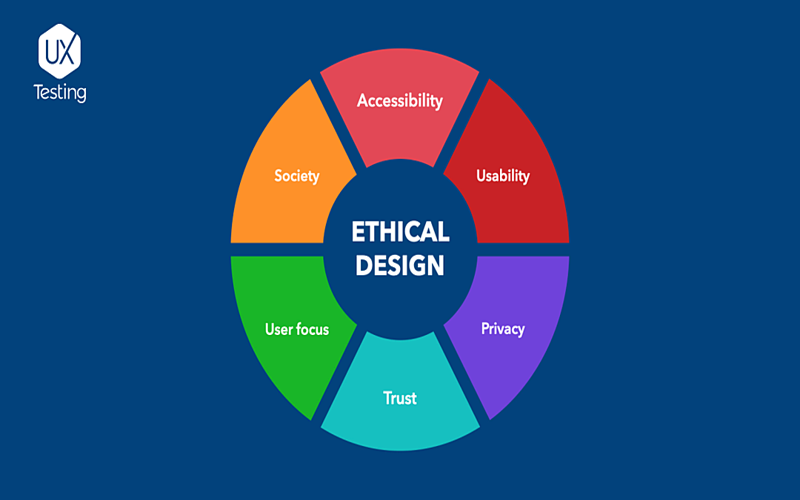
Imagine you’re designing an app that aims to enhance user engagement but inadvertently turns into a tool for distraction, promoting unhealthy screen time habits. This scenario might sound familiar to many designers who prioritize usability and satisfaction but overlook the ethical implications of their choices. The pressing question is: how can we, as design professionals, redefine success to genuinely account for ethical design, social impact, and sustainable user experiences? Integrating design ethics into our projects isn’t merely about adding a checklist item; it requires us to reshape our understanding of what it means to be successful in our work, prioritizing not only the needs of users but also the well-being of society and the planet.
Crafting successful user experiences should go beyond mere functionality and profitability; it necessitates a commitment to principles of social impact design that enrich lives rather than exploit attention. Consider how the metrics we choose can either stifle or elevate our design intent. What if we measured success not just by conversion rates but also by the impact our products have on community well-being and environmental sustainability? This shift in perspective prompts a deeper inquiry into how our design decisions resonate on personal, societal, and global levels—encouraging each of us to champion a new narrative of responsibility within our industry.
The Imperative of Ethical Design in Today’s World
Amidst the cacophony of consumerism, ethical design emerges not just as a principle but as a necessity. Designers today face the challenge of intertwining user experience with social responsibility. As custodians of creativity, we have the power to influence outcomes not just for profit, but to elevate the wellbeing of individuals and communities alike. Design ethics shouldn’t be a sidebar conversation; they should be core to every process we undertake.
Reflecting on our roles, it’s easy to feel overwhelmed by the demands of industry standards. Yet, design success can be redefined through intentionality. When we prioritize ethics alongside user satisfaction, we begin to craft solutions that are not only desirable and viable but also socially equitable. For instance, using inclusive design practices, we can better accommodate diverse user needs, thereby enhancing the overall impact of our work.
Still, the shifting tide towards embracing ethical design principles requires a concerted effort. The fear of losing business or client interest often looms large. However, building a compelling case for sustainable design benefits all stakeholders involved. Engaging with clients around ethical objectives can lead to innovative solutions that resonate more deeply with users and reflect positively on their brand. It’s a win-win.
Engaging with Stakeholders in Redefining Success
What if we approached our kickoff sessions with the premise that ethical design starts with everyone at the table? Redefining success is not merely about metrics; it’s about fostering a dialogue that prioritizes community well-being, equity, and sustainability. Each stakeholder’s voice enriches the conversation, bringing different insights that can shape a project’s direction.
Consider a project where the objective is to develop an app for mental health support. Instead of just focusing on user engagement metrics, imagine discussing success in terms of well-being. What if the goal was to reduce anxiety levels reported by users? Gathering qualitative feedback from diverse cultural backgrounds during the initial phases can lead to a design that truly meets and serves an array of needs.
During that kickoff, using a decision-making framework like the Wheel of Success can facilitate this conversation. By mapping out which dimensions of success are pertinent—healthy, equitable, sustainable, and desirable—teams can create a shared vision that aligns with ethical design principles. Collaborative exercises help ground abstract ideals in tangible actions, setting users up for genuinely positive experiences.
Measuring Ethical Outcomes: The Key to Lasting Impact
Let’s face it: measurement in design often feels like a double-edged sword. On one hand, we have the traditional metrics that prioritize conversion rates and user retention. But in the realm of ethical design, we have to consider deeper metrics that reflect societal and environmental impact. This shift is essential if we want to align our work with our values.
For example, instead of tracking simply how often users open an app, what if we measured user well-being through reduced screen time or responses to surveys about feelings of being overwhelmed? Implementing KPIs that reflect ethical objectives can guide the project in directions that benefit users as much as they benefit businesses.
Moreover, discussing metrics with a clear connection to social impact design invites a more nuanced conversation around project goals. If successful outcomes are defined as healthy user relationships with technology, teams are better positioned to make decisions that foster an ethical design landscape. This not only enhances the user experience but also establishes a company’s commitment to genuine value rather than just profit.
Frequently Asked Questions
What is ethical design and why is it important in user experience?
Ethical design refers to creating products and services that prioritize well-being, equity, and sustainability. By integrating ethical principles into user experience (UX) design, we ensure that our solutions not only meet user needs but also enhance their health and happiness, promote inclusivity, and minimize negative social impacts. This approach is vital as it shifts the focus from mere profitability to creating value for individuals and society.
How can designers measure the success of their ethical design efforts?
Design success can be measured by setting specific objectives related to individual well-being, social equity, and environmental sustainability. Metrics might include user engagement levels that promote healthy use patterns, diversity in user testing groups, and carbon footprints of digital products. By aligning these metrics with ethical goals, designers can track their impact and ensure that their work contributes positively to society and the environment.
What are some examples of sustainable design practices in UX?
Sustainable design practices in UX involve creating interfaces that are resource-efficient and promote mindful consumption. Examples include using minimalistic design to reduce energy use, prioritizing accessibility to ensure broad usability, implementing design systems that emphasize repeatability and reuse, and providing users with options that encourage sustainable choices, such as product lifecycle transparency. These practices not only enhance the user experience but also contribute to a healthier planet.
• Let’s challenge ourselves to redefine what success looks like in design—from merely being desirable, feasible, and viable to also encompassing ethical objectives like well-being, equity, and sustainability. This shift can truly transform our process.
• It’s crucial to engage your team and stakeholders in discussions that prioritize ethical goals. By involving everyone upfront, what we define today as success can guide our decisions throughout the project.
• Think about the impact of consumerism and profitability on design. How can we navigate this landscape to create solutions that not only meet but exceed ethical standards? This inquiry drives deeper into the design ethics conversation.
• Encourage diverse perspectives and self-organization within your team. Such collaborative efforts can spark innovative solutions that align with essential ethical practices, enhancing both creativity and resilience in design.
• Seek to measure the impact of your projects. Metrics focused on user well-being and societal equity can illustrate the true effectiveness of your work and connect design decisions to ethical outcomes.

• Consider the long-term effects of your designs. Emphasizing sustainability requires looking beyond immediate usability to how products and services interact with our planet and communities.
• The next time you take on a design project, initiate a kickoff meeting that frames success through an ethical lens. This foundational step is vital for aligning intentions and expectations with real-world impacts.
• Cultivating a mindset of ethical design is not merely theoretical; it demands practical actions and clear metrics that reflect our objectives. Doing this means stepping beyond our comfort zones and having those challenging conversations with stakeholders.
Those are just some ways to foster ethical design, so why not delve into more insights on this topic in our related posts?