
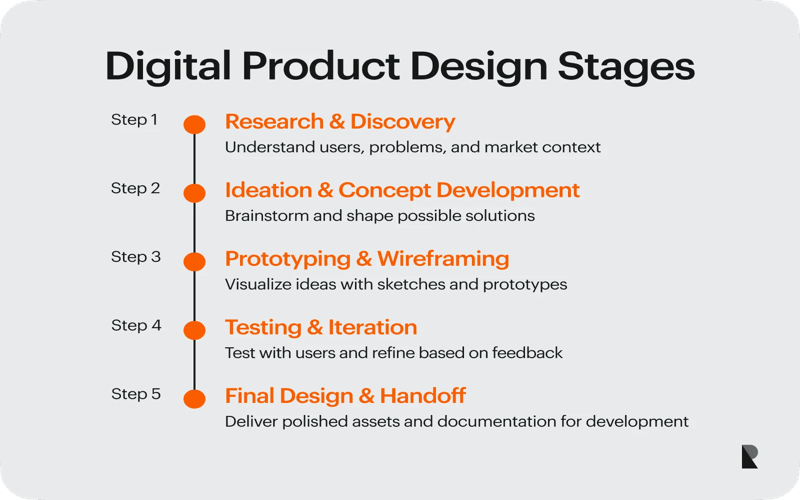
In the realm of web design, understanding the nuances between User Experience (UX) and User Interface (UI) is paramount for crafting engaging digital environments. While UX focuses on the holistic journey users embark upon, encompassing feelings of satisfaction and ease, UI zeroes in on the graphical elements that facilitate interaction. As you delve into the intricacies of web design principles, you’ll discover that mastering both aspects is crucial for achieving optimal usability. Embracing UX/UI best practices can lead to stellar user experiences, directly influencing conversion rates and brand loyalty. Thus, making informed choices in user experience design and user interface design can elevate your site to new heights in the competitive digital landscape.
In the world of digital craftsmanship, two core concepts reign supreme: the comprehensive journey of user experience and the intricate artistry of user interface. These facets of interaction design profoundly influence how users perceive and engage with websites, drawing a distinct line between mere functionality and delight. Emphasizing the importance of usability testing, responsive web design practices ensure accessibility for every user, while strategic digital product design enriches interaction through thoughtful layouts and visual consistency. With the marriage of these elements, effective web design transcends aesthetics, weaving together emotional engagement and streamlined navigation for an unforgettable experience. Ultimately, the delicate balance of these dynamic components guides creators toward realizing their web design visions.
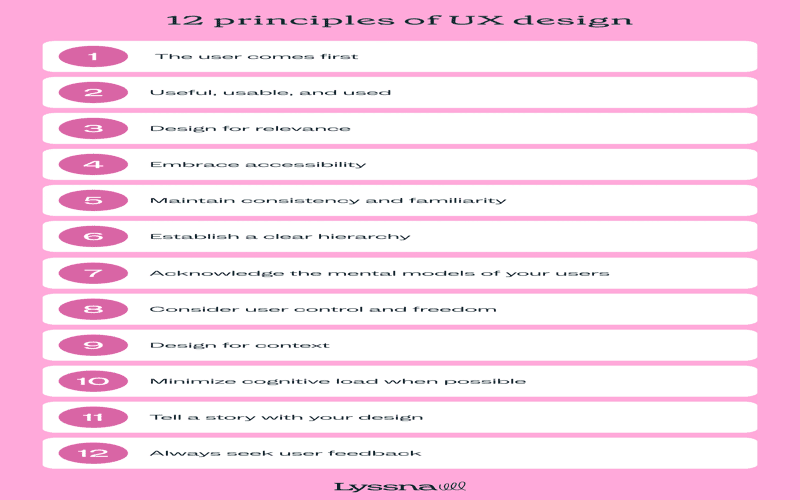
Understanding User Experience (UX)
User Experience, or UX, is more than mere interaction; it encompasses the very soul of a web platform. It extends beyond simple usability, creating an invisible thread that ties users to a site. Picture a bustling marketplace: each stall designed to engage and guide patrons, ensuring they find the treasures they seek without hesitation. This is what effective UX aims to achieve; a seamless, intuitive journey filled with positive emotions—from satisfaction to joy.
When users encounter a website with optimal UX, they can navigate effortlessly, often finding the information they need quicker than anticipated. Think about it: it’s like walking into a well-organized library. Instead of searching high and low, you instinctively head towards the right section, your path lit by friendly signs and helpful staff. Thus, clarity and functionality become indispensable, marking the difference between a frustrating experience and one that’s enchanting.
The Artistic Layer of User Interface (UI)
Transitioning from the experience itself, we arrive at User Interface, or UI—the visual tapestry draped over the functionality of a site. Here, intricate designs and appealing aesthetics come into play, each color and icon crafted with purpose. UI is like the clothing of a personality, expressing identity while ensuring comfort in interactions. Think of a beautifully plated dish; the presentation invites you in, while flavor sustains your interest.
A well-designed UI doesn’t just catch the eye; it captivates the heart and mind. It’s the gentle hum of animations that guide users through their exploration and the inviting typography that whispers, ‘Stay a while.’ As users hover over buttons and glide through menus, the interactions evoke a sense of delight, creating a connection that transforms a mere visit into an experience. This artistry is not only about looks but about reinforcing intent and facilitating understanding.
Harmonizing UX and UI for Optimal Web Design
In the kaleidoscopic world of web design, the harmony between UX and UI is crucial. Think of them as dance partners: while UX leads the way, crafting the rhythm of the user’s journey, UI follows closely, ensuring the visuals resonate with each step. Their collaboration is not just beneficial; it’s essential. When these elements work in tandem, they create a captivating narrative that pulls users deeper into a site’s embrace.
The heart of effective web design lies in continual refinement, as the relationship between UX and UI flourishes through feedback and testing. Picture an artist revising a masterpiece based on the reactions of viewers—such is the iterative process that enhances both user satisfaction and visual appeal. By celebrating this interconnectedness, web designers can shape platforms that not only attract visitors but also foster loyalty, inviting them to return time and again for new stories and experiences.

In conclusion, understanding the interplay between User Experience (UX) and User Interface (UI) is crucial for anyone involved in web design. A well-designed website is not just visually appealing; it also ensures a seamless and enjoyable experience for users. The integration of these two elements can significantly enhance a site’s effectiveness, leading to greater success. Here are some key takeaways:
- First Impressions Count: Engaging visuals (UI) combined with intuitive navigation (UX) create positive first impressions.
- Boost in Conversion Rates: Users are more likely to convert on sites that marry pleasing aesthetics with usability.
- Lower Bounce Rates: A user-friendly and attractive site encourages visitors to stay longer, reducing the chances they’ll leave prematurely.
- Fostering Brand Loyalty: A memorable user experience builds trust and loyalty, encouraging users to return and recommend the site.
- Continuous Improvement: Both UX and UI should undergo regular testing and iteration based on user feedback for ongoing effectiveness.
Ultimately, a keen focus on both User Experience and User Interface not only improves user satisfaction but also elevates the overall success of your web design, making it essential for thriving in the digital landscape.