
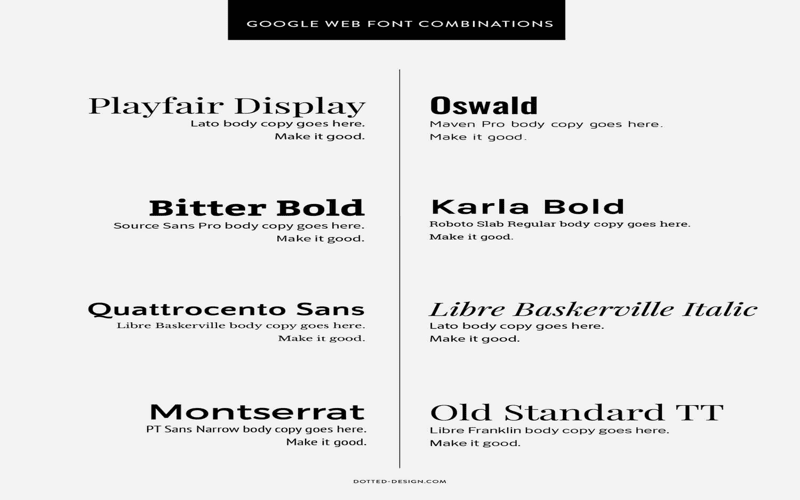
Choosing the right font for web design is essential for creating an engaging and effective online presence. The impact of web design fonts extends far beyond aesthetics, influencing both user experience and the emotional connections formed with your audience. Fonts can communicate brand identity and affect how visitors perceive content on your site. When deciding on font selection, it’s crucial to explore effective font pairing and understand the nuances of web typography. By choosing the best fonts for websites, you not only enhance readability but also create a visually appealing layout that captivates users.
The art of selecting typefaces for your digital projects requires careful consideration and a strategic approach. By opting for appropriate web typography, designers can convey messages more effectively and ensure that text resonates with its intended audience. This intricate process involves understanding various aspects such as font styles, combinations, and the overall visual hierarchy. Emphasizing the importance of font pairing, it becomes clear that thoughtful decisions regarding typeface choices can significantly influence the user experience. Furthermore, a focus on typography trends allows web designers to stay relevant and create compelling, user-centric experiences.

Understanding Audience Impact
When embarking on the journey of font selection, it’s essential to know your audience intimately. Picture the faces of your users, their ages, backgrounds, and cultural nuances. Each demographic holds distinct preferences; while the vibrant youth may lean towards contemporary, dynamic fonts, the seasoned mature crowd often gravitates towards classic, legible types. Knowing this ensures your typeface not only informs but enchants.
Beyond mere aesthetics, the cultural implications of your font choice can either bridge the gap or create divides. Different cultures perceive fonts through their unique lenses, infusing type with meanings that may transcend basic text representation. Thus, aligning your choices with cultural expectations isn’t just advisable; it’s a necessity in making your design universal.
Navigating Legibility and Readability
Imagine a world where letters dance seamlessly before your eyes. This is the essence of legibility, the straightforward clarity that enables readers to traverse your text without friction. Embrace sans serif fonts like Arial or Helvetica, renowned for their screen-friendliness. These choices enhance legibility, making your words accessible and inviting, an open door in the digital landscape.
Yet, legibility is just a chapter in the tale of text. Enter readability—the holistic experience of text consumption. Consider the whispers of size, spacing, and line height that create a harmonious reading experience. A minimum font size of 16px isn’t merely a suggestion; it’s the baseline for comfort, ensuring your readers can absorb your message without strain.
The Art of Font Pairing
Font pairing is a delicate ballet of contrasts and harmonies—a visual symphony that can elevate your web design from mundane to mesmerizing. When you juxtapose a bold header font against a simple, understated body font, it’s a dance of attention and clarity that beckons visitors to engage. Yet, amidst this choreography, restraint is vital. Limiting yourself to two or three carefully selected fonts will maintain a cohesive visual narrative, preventing chaos from overshadowing beauty.
Dabble with the richness of font families, each presenting a spectrum of weights and styles. These variations foster consistency while allowing creative freedom in your typography. Remember, in the world of digital design, less is often more; simplicity and clarity can pave the way for an immersive user experience, creating a lasting impression on every visitor.

In conclusion, the art of selecting the right font for your web design is a thoughtful endeavor that integrates both function and emotion. By following the guidelines outlined in this guide, you can ensure your font choices resonate with your audience and enhance the overall user experience. Here are the key takeaways to consider:
- Understand Your Audience: Tailor font choices based on demographic preferences and cultural context.
- Legibility and Readability: Prioritize easy-to-read fonts, focusing on size and spacing for optimal comfort.
- Font Pairing: Utilize contrasting fonts while limiting variety to maintain a cohesive design.
- Web-Safe vs. Custom Fonts: Weigh the benefits of universally supported fonts versus unique custom options without compromising load times.
- Brand Identity: Choose fonts that reflect your brand’s personality and mission.
- Accessibility: Ensure sufficient color contrast and appropriate text sizes for all users, particularly those with disabilities.
- User Testing: Gather feedback from real users to refine font choices based on genuine reactions.
- Stay Updated: Keep abreast of modern typography trends, balancing timelessness with current styles.
- Optimize Performance: Reduce font file size to enhance loading times and overall site performance.
By embracing these principles, your typography can transform from mere text into a powerful tool that strengthens both usability and aesthetic appeal, thereby creating a harmonious online experience.