
In the ever-evolving landscape of digital creativity, web design tools play a pivotal role in shaping the online presence of businesses and individuals alike. Harnessing the power of these innovative platforms, designers can create visually stunning and user-friendly websites that engage and retain visitors. From seamless collaboration tools like Figma to intuitive prototyping solutions such as Adobe XD, the right web design tools can elevate a project from concept to captivating reality. As we delve into the top web design tools every designer should know about, you’ll discover how these instruments not only enhance creativity but also streamline workflows. Get ready to unlock a world of possibilities with the essential resources at your fingertips, making your design processes more efficient and enjoyable than ever before.
When it comes to crafting engaging digital experiences, the arsenal of design utilities available is both varied and impactful. Design software, prototyping applications, and collaborative platforms are essential for modern creators aiming to build impressive online journeys. This collection of essential resources empowers web professionals to transform their ideas into interactive realities, ensuring that their visions come to life with clarity and precision. As we explore these key design instruments, we will highlight how their unique functionalities can optimize the creative process while bolstering teamwork and communication among stakeholders. Embrace the world of digital creation with these leading-edge solutions that pave the way for ground-breaking websites.
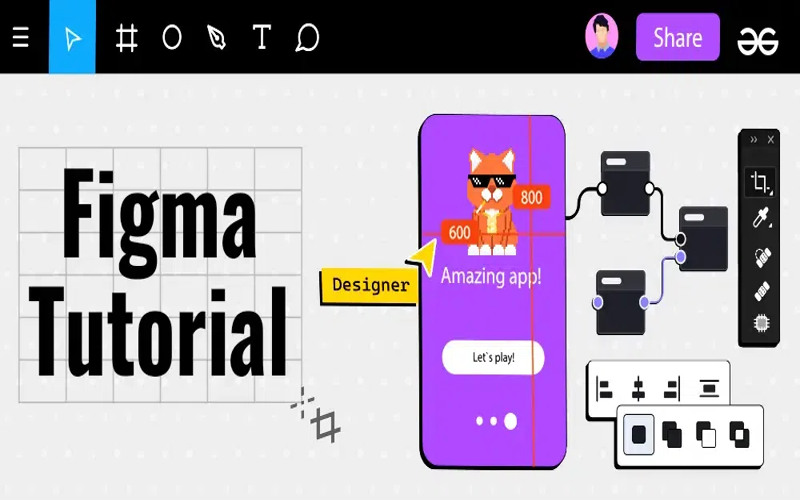
Figma: Where Creativity Meets Collaboration
In the bustling realm of web design, Figma shines as a beacon of collaborative creativity. Imagine a space where designers from different corners of the world come together, not just to share ideas but to craft them in real-time. This cloud-based marvel transcends the traditional design process, allowing for an organic flow of creativity, where every brush stroke or pixel placement can instantly be seen by teammates, fueling discussions that lead to innovative designs. With vector editing capabilities that feel as fluid as a painter’s brush, designers can build sophisticated layouts or playful prototypes effortlessly.
Moreover, Figma’s plugins breathe life into design systems, allowing users to extend its capabilities beyond the imaginable. Want to streamline feedback? Simple! Share your design in just a click, inviting clients into the process without cumbersome downloads or complex setups. This tool doesn’t just focus on design; it cultivates an environment where collaboration flourishes, where each designer’s voice is heard, and where stunning websites are born from the harmonious blending of ideas and expertise. In Figma, everyone contributes, and together, the end product radiates creativity.
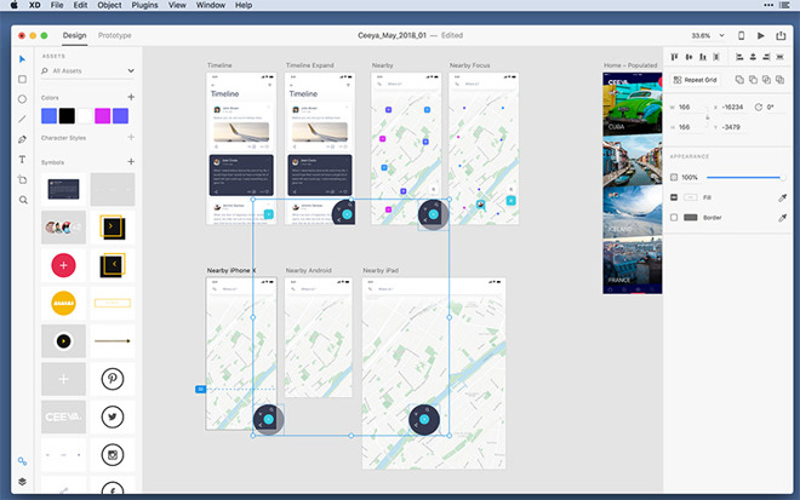
Adobe XD: Crafting Seamless Experiences
Adobe XD stands at the intersection of design and innovation, a powerful ally for those who dare to prototype the user experiences of tomorrow. With its seamless integration across Adobe’s prestigious suite, it harmonizes wireframing, interactive design, and even voice prototyping into a symphony of functionalities, ensuring that every designer’s vision melds perfectly with practicality. Picture this: crafting an interactive prototype that dances fluidly across screens, guided by responsive resizing that adapts gracefully to various devices—a true showcase of modern design principles!
With every detail flowing from your fingertips, Adobe XD transforms the daunting task of gathering feedback into a streamlined journey. Share your evolving designs with stakeholders easily, inviting their insights into the creative process without disruption. This tool does much more than facilitate design; it nurtures an ecosystem where innovation thrives, and everyone involved plays a crucial role in refining the user experience. From initial sketches to final prototypes, Adobe XD turns ideas into delightful realities, making it a must-have in the designer’s toolbox.
Canva: Empowering the Everyday Creator
Amidst the high-octane world of sophisticated design tools, Canva emerges as a beloved companion for those who desire simplicity without sacrificing quality. It invites anyone—seasoned designer or enthusiastic novice—to explore the art of design with an intuitive drag-and-drop interface that feels less like work and more like play. Armed with thousands of templates, users can conjure captivating visuals for any purpose, from social media posts that pop to striking presentations that command attention. In Canva’s vibrant digital landscape, the only limit is one’s imagination.
However, Canva is not merely a playground; it’s a powerful design partner, equipped with collaborative features that empower teams to craft content seamlessly, no matter their location. Picture a team brainstorming remotely, each member contributing their flair to create a cohesive visual narrative. The potential for creativity in Canva knows no bounds, making it an indispensable tool for budding web designers. By demystifying the design process, Canva not only enhances productivity but also inspires a newfound confidence in those looking to make their mark in the digital space.
In the ever-evolving realm of web design, the right set of tools can serve as the cornerstone for creative expression and functionality. Embracing these tools not only streamlines your workflow but also enhances the quality of your designs, allowing you to craft visually stunning and user-friendly websites. Here’s a snapshot of the paramount features shared by these top ten web design tools that every designer should have in their arsenal:
– **Enhanced Collaboration:** Tools like Figma and InVision foster real-time teamwork and feedback, vital for successful projects.
– **Intuitive Design Interfaces:** Programs such as Adobe XD and Canva provide user-friendly screens that facilitate creativity without overwhelming complexity.
– **Powerful Prototyping Options:** Platforms like UXPin and Marvel allow for rapid prototype creation, enabling instant user feedback and iterations.
– **Seamless Integration:** Many of these tools integrate with existing software, such as Adobe Creative Cloud, to streamline your creativity across various platforms.
Ultimately, embracing these essential web design tools can transform your approach to creating engaging digital experiences. By familiarizing yourself with their unique functionalities, you can tailor your workflow to better fit your creative needs. Consider these points as you explore the exciting possibilities that these tools present:
– **Variety of Applications:** Whether designing user interfaces or building full-fledged websites, there’s a tool fit for each phase of the design process.
– **Accessibility and Affordability:** Many tools such as Affinity Designer offer powerful capabilities without the subscriptions, making high-quality design accessible to all.
– **Continuous Improvement:** Regular updates within these tools ensure you stay at the cutting edge of design trends.
– **User Experimentation:** Many enable quick iterations and feedback cycles, allowing you to refine your designs effectively before final implementation.