
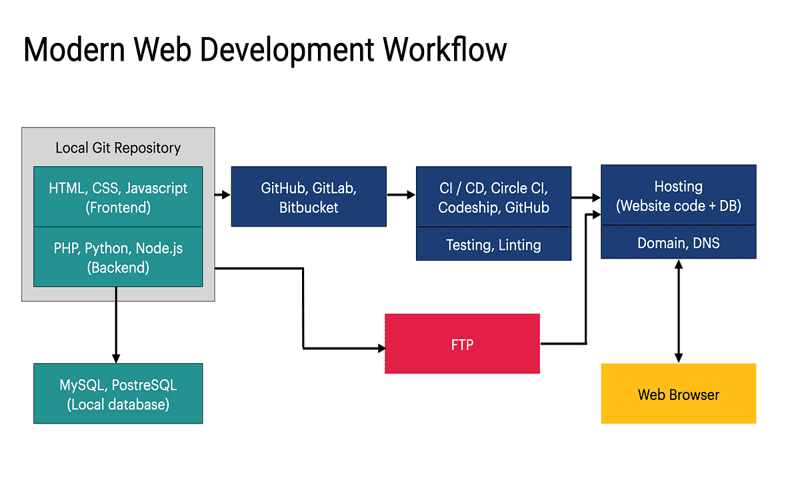
The web development workflow is a crucial component for success in the fast-paced digital landscape. As the landscape of web design continues to evolve, streamlining web development has never been more essential for improving productivity. By implementing effective strategies and utilizing the right tools for web developers, you can enhance your efficiency and enjoy a smoother development process. Embracing modern methodologies and incorporating AI in web development can drastically reduce common bottlenecks, helping you to meet deadlines and client expectations with ease. In this article, we will explore insightful web development tips to help you refine your workflow and elevate your projects.
Navigating the intricate process of building websites requires a focused approach, often referred to as a website creation process. This systematic structure not only allows developers to manage their tasks efficiently but also integrates essential techniques for success. Adapting tools that facilitate automated processes and keep the workflow organized paves the way to greater effectiveness. Keeping track of progress and employing creativity while utilizing technology can lead to breakthroughs in project outcomes and time management. Our discussion will delve into innovative strategies aimed at optimizing your website creation process and maximizing overall performance.

Importance of Streamlined Workflows
Streamlining your web development workflow is crucial in today’s fast-paced digital environment. As the industry constantly evolves, adapting our processes ensures we maintain both quality and efficiency. A streamlined workflow can help to eliminate unnecessary steps, reduce errors, and enhance productivity, ultimately leading to superior project outcomes.
Moreover, a structured approach to workflows enables developers to focus on their core strengths rather than getting bogged down by administrative tasks or inefficient processes. By prioritizing streamlined methods, developers can not only save time but also harness their creativity to produce more innovative solutions.
Choosing the Right Tools
Selecting the appropriate tools for web development can greatly influence the effectiveness of your workflow. It’s essential to utilize tools that offer the necessary integrations to ease the transition between different tasks and platforms. For example, a code editor like VS Code allows seamless connectivity to databases and repositories, thereby centralizing your workflow.
In addition, the rapid adoption of AI technologies has transformed coding practices, making it imperative to choose tools that can work alongside these advancements. By integrating AI-generated code directly into your development environment, you can streamline the coding process, minimizing time spent on repetitive tasks.
Consistency Leads to Familiarity
One of the fundamental principles of a successful workflow is consistency. When developers consistently use the same tools, themes, and systems, they build familiarity, which translates into efficiency. This consistent approach reduces the steep learning curves associated with switching tools or platforms for every project.
Furthermore, maintaining consistency in your workflow helps in mitigating problems that arise during maintenance or updates. If something breaks, a developer’s familiarity with their tools allows for quicker diagnosis and resolution, ultimately saving valuable time and effort.
Evaluating Your Work Habits
Taking time to evaluate your current work habits can reveal significant insights into your workflow. Sometimes, it’s easy to overlook inefficiencies or redundancies in our processes. By listing down the tools used and the steps taken in a project, you may discover areas for improvement that had previously gone unnoticed.
This self-reflection can act as a catalyst for change, encouraging you to embrace new methods or technologies that may enhance your productivity. Even simple adjustments can drastically change how efficiently you work and how effectively projects are completed.
Working Smarter, Not Harder
In the competitive landscape of web development, it’s crucial to work smarter rather than harder. This means leveraging automation tools, AI capabilities, and third-party integrations to simplify your workflow. By eliminating repetitive tasks through smart technology, you can redirect your focus towards more complex challenges that truly require human ingenuity.
Investing a little time to enhance your workflow can yield impressive returns. Not only will it make your daily tasks less burdensome, but it can also free up time for learning and innovation, which are vital for growth in a rapidly evolving industry.
Continual Learning and Adaptation
Web development is an ever-changing field, and continual learning is an integral part of staying relevant. As new technologies and practices emerge, adapting your workflow accordingly will ensure you remain competitive. This not only involves exploring new tools but also understanding the principles behind them.
Emphasizing a mindset of growth and adaptation allows developers to embrace change rather than resist it. Being open to new ideas and methods can lead to discovering invaluable resources and techniques that improve efficiency and productivity.
Feedback and Collaboration
Receiving feedback on your workflow from peers or clients can provide fresh perspectives that you might not consider on your own. Engaging in collaborative processes allows for the exchange of ideas, which can lead to improvements in workflow design and execution.
Moreover, fostering an environment where team members feel comfortable sharing insights will promote a culture of continuous improvement. Collaborative tools and platforms can also facilitate better communication and coordination, making teamwork more effective.
The Role of Documentation
Proper documentation is a critical aspect of any streamlined workflow. Documenting processes enables clarity and consistency, ensuring that anyone who joins the team can quickly understand the systems in place. This practice can save time and minimize errors when onboarding new developers.
Having detailed documentation also assists in maintaining processes over time, particularly when individual team members change or transition out of roles. By having a clear record of workflows, projects can continue efficiently without interruption.
Embracing Change and Innovation
To truly streamline your web development workflow, it’s essential to embrace change and innovation. In a field defined by rapid advancements, hesitance to adopt new technologies can result in missed opportunities for improvement.
By staying curious and open to exploring new methods or tools, developers can position themselves at the forefront of the industry. This proactive approach not only enhances personal skills but also contributes to better outcomes in web development projects.
Final Thoughts on Workflow Optimization
Ultimately, optimizing your web development workflow is about finding the right balance that works for you and your team. It’s about leveraging the tools available while maintaining a consistent approach to your projects.
Implementing the strategies outlined can lead to a more productive and efficient workflow, enabling you to focus on what you love most – creating and innovating in the world of web development.
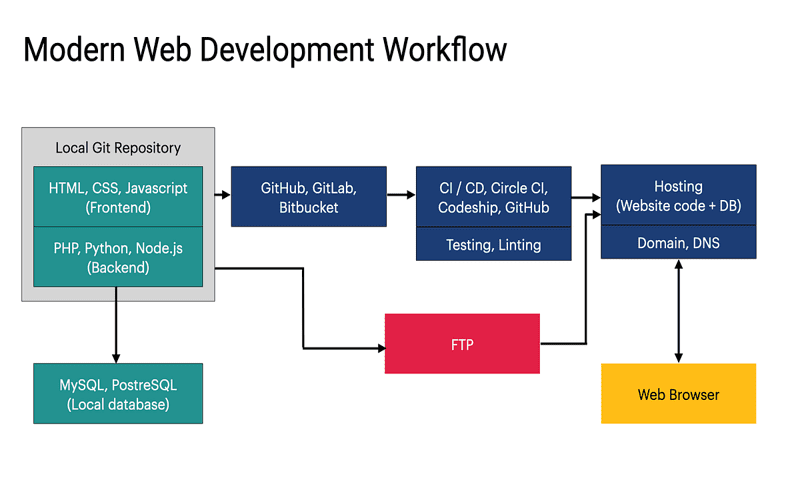
In summary, streamlining your web development workflow requires a strategic approach that embraces modern tools and methodologies. By integrating powerful tools that foster collaboration and project management, you can greatly enhance productivity and reduce manual overhead. Consistency in utilizing familiar platforms also promotes efficiency and minimizes confusion during maintenance phases. Reflecting on your workflow allows for identifying pain points and areas for improvement. As you implement these changes, consider the following key takeaways:
– Leverage tools with built-in integrations to simplify your workflow.
– Maintain consistency in the tools and methods you choose to foster expertise.
– Regularly evaluate your workflow and adjust processes to better suit your needs and projects.
– Invest time upfront to save significant time and effort later.
Ultimately, the key to a successful web development workflow lies in adaptability and continual improvement. As technology evolves and new best practices emerge, it’s crucial to remain open to changes while still applying consistent methods that have proven effective. By critically assessing your current processes and actively seeking out efficiencies, you can not only keep up with industry trends but also enhance your overall performance. Remember these points to guide your ongoing efforts:
– Experimentation is valuable, but do so in low-risk environments to mitigate potential issues.
– Keep a clear list of your tools and workflows to identify room for enhancements.
– Embrace automation and AI solutions as they can significantly reduce time spent on repetitive tasks.
– Foster an environment of learning and adaptation within your team to stay ahead in a fast-paced industry.